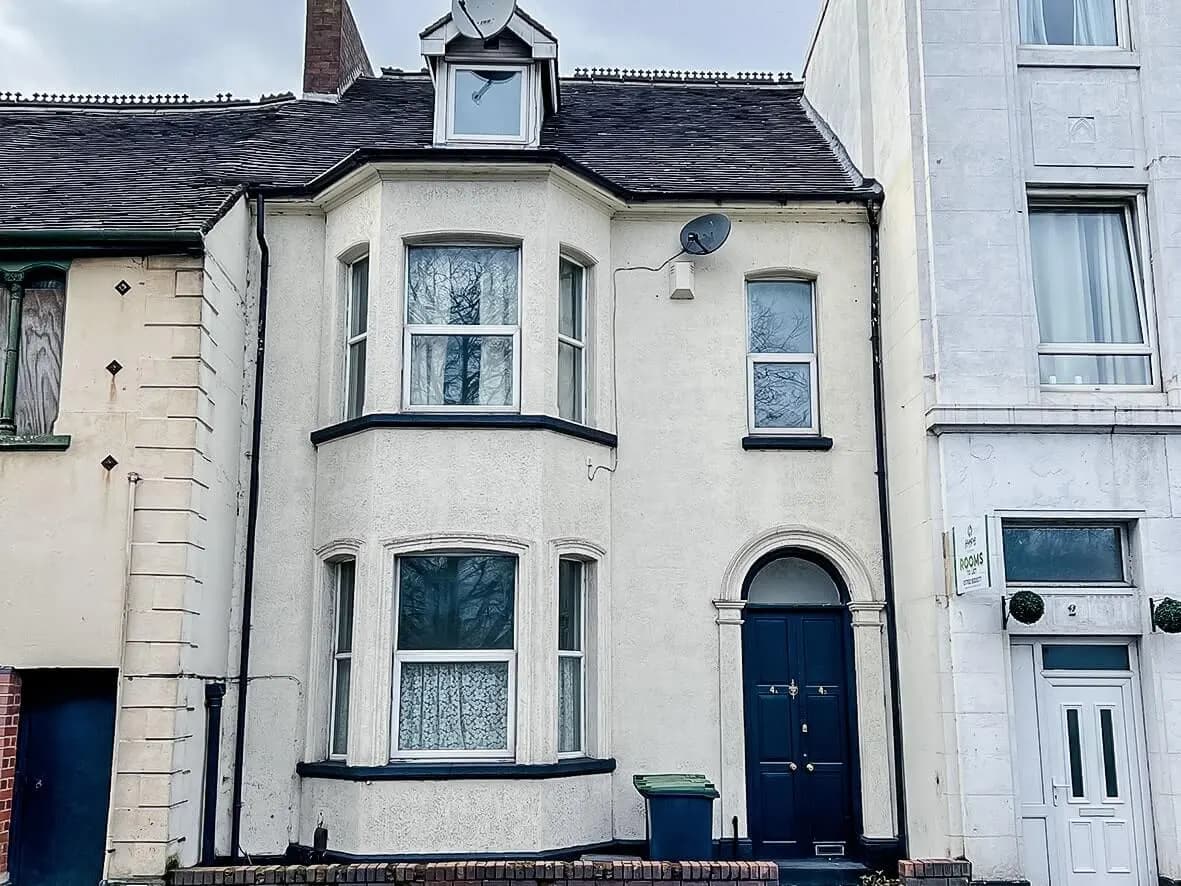
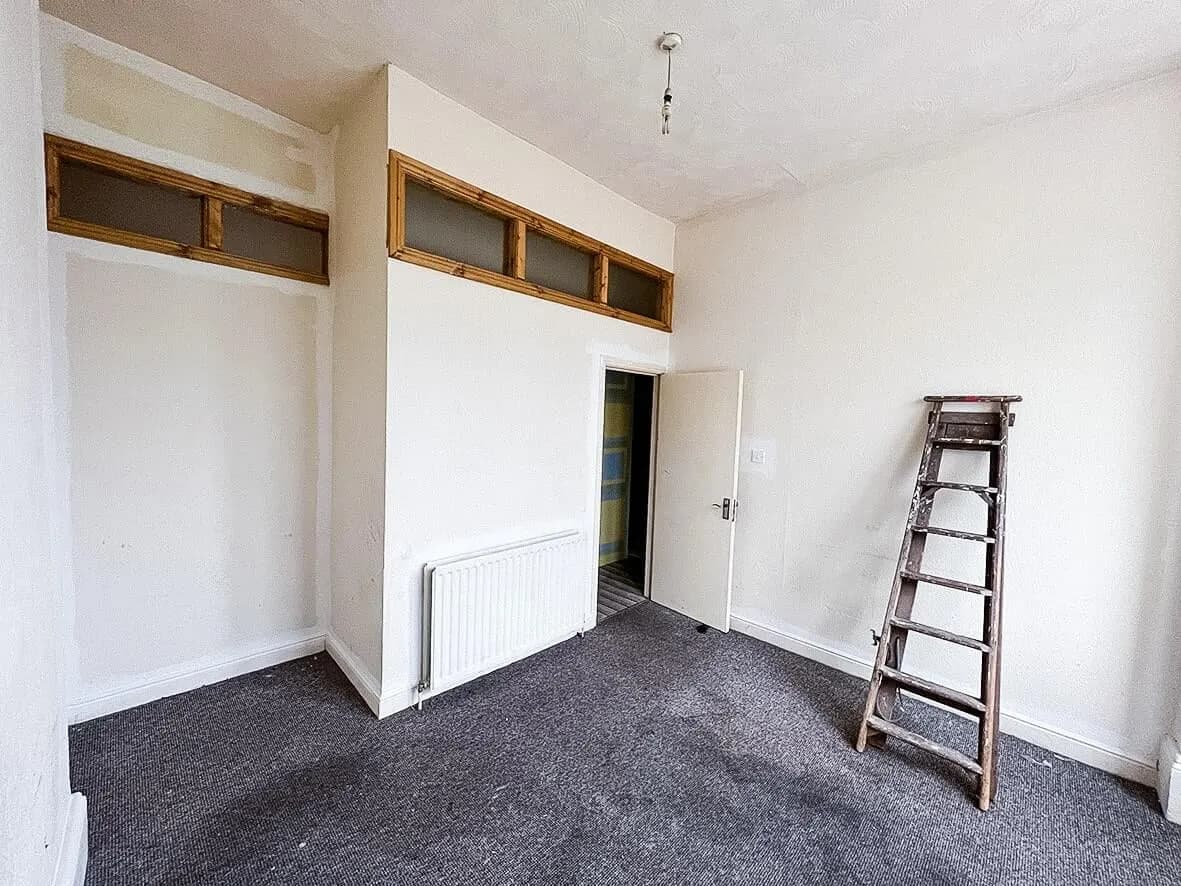
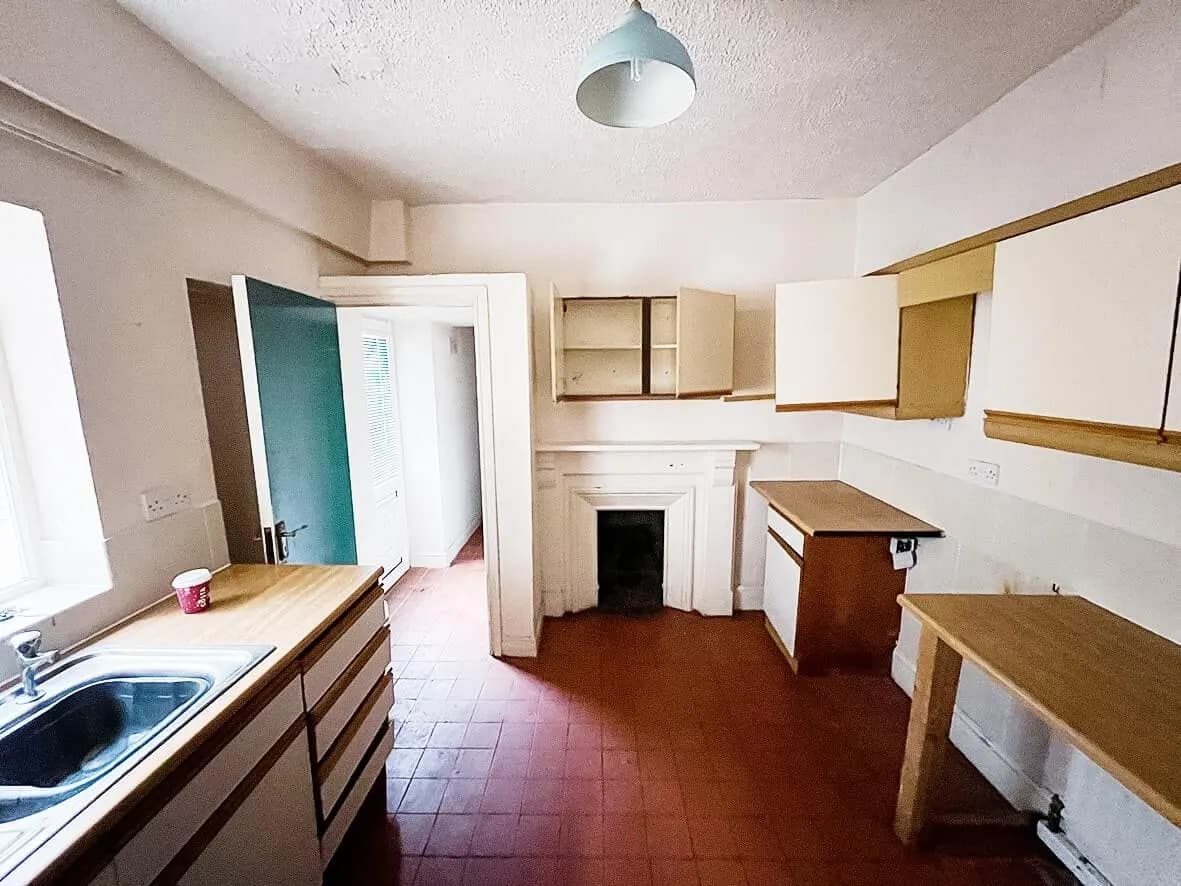
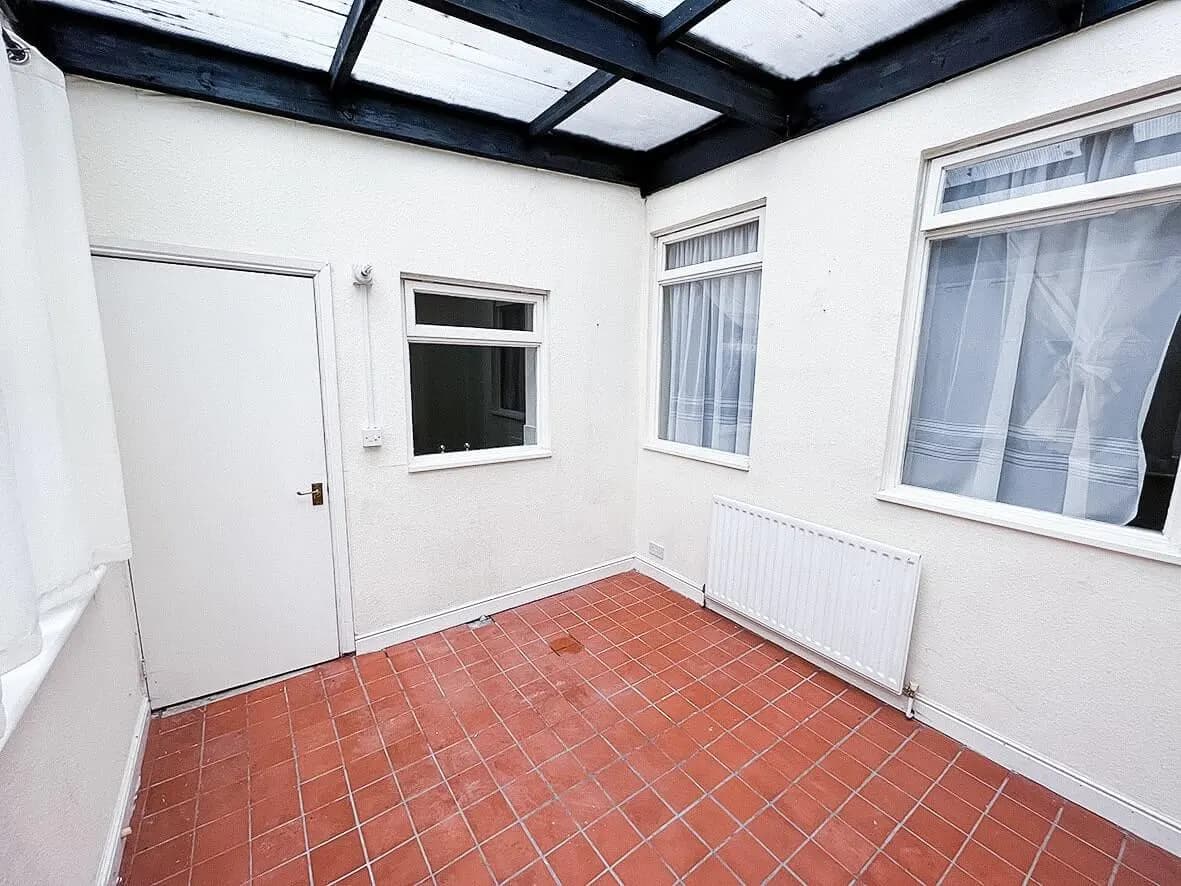
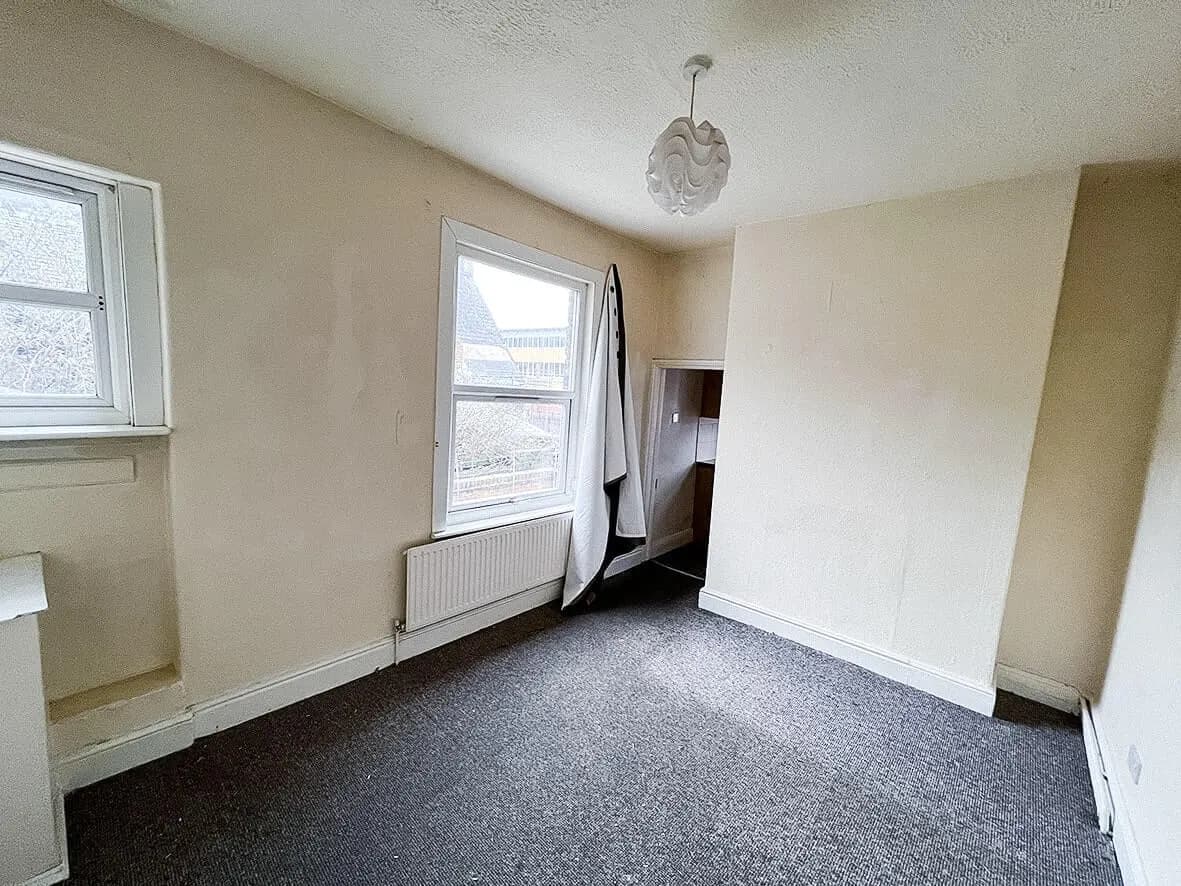
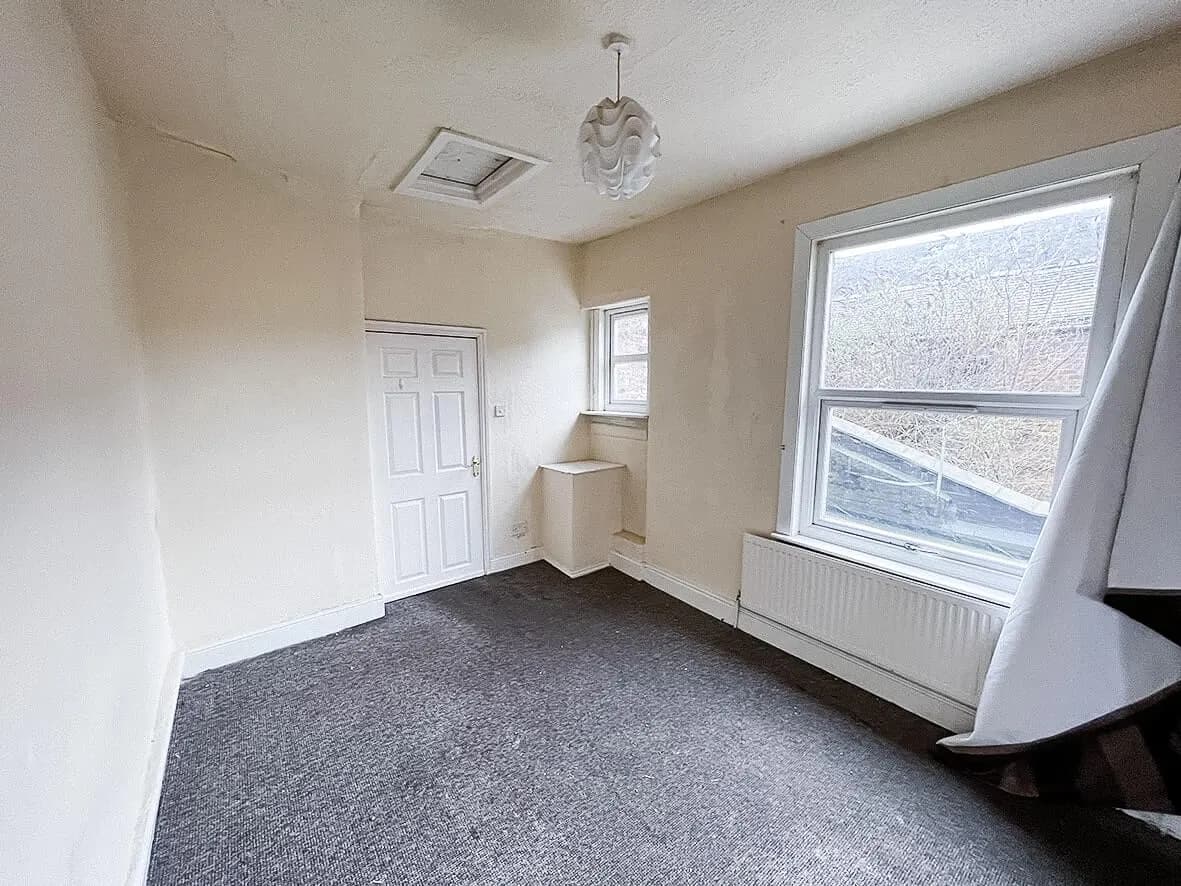
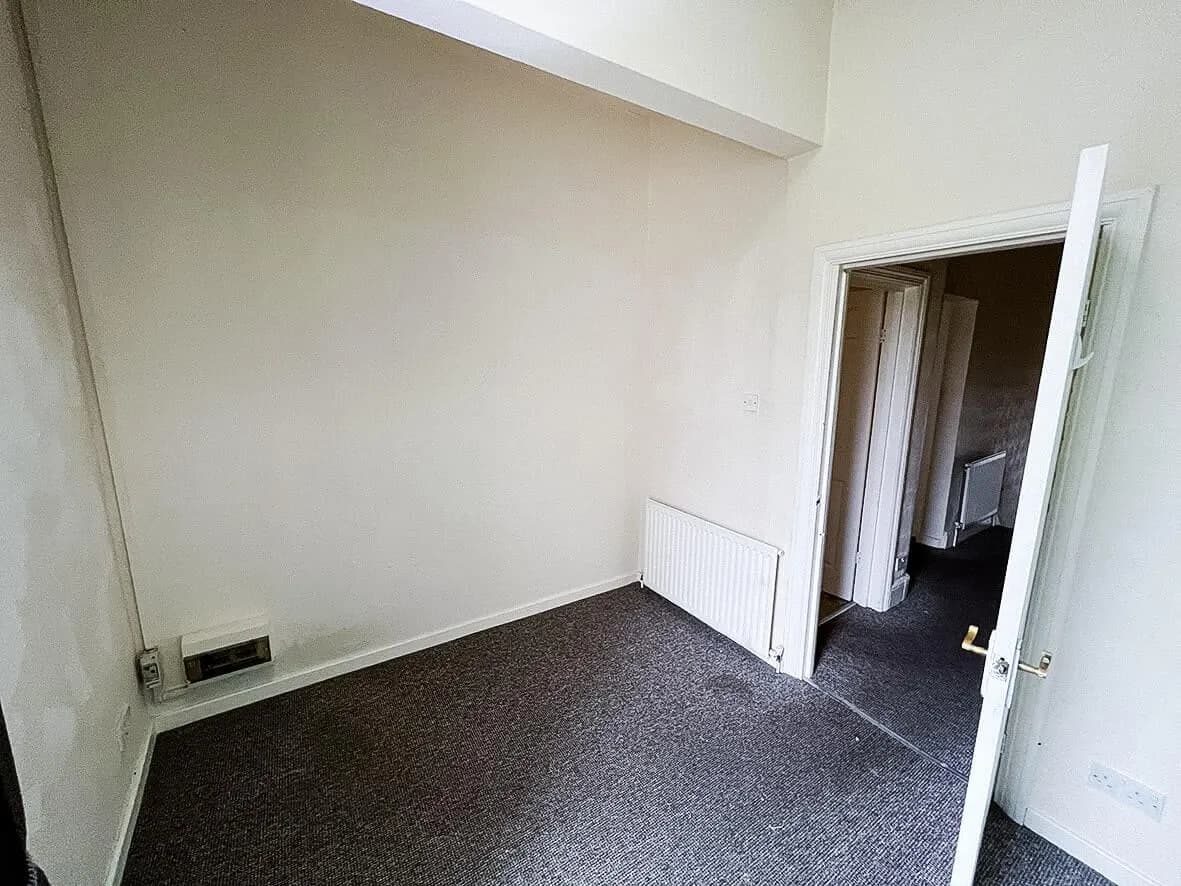
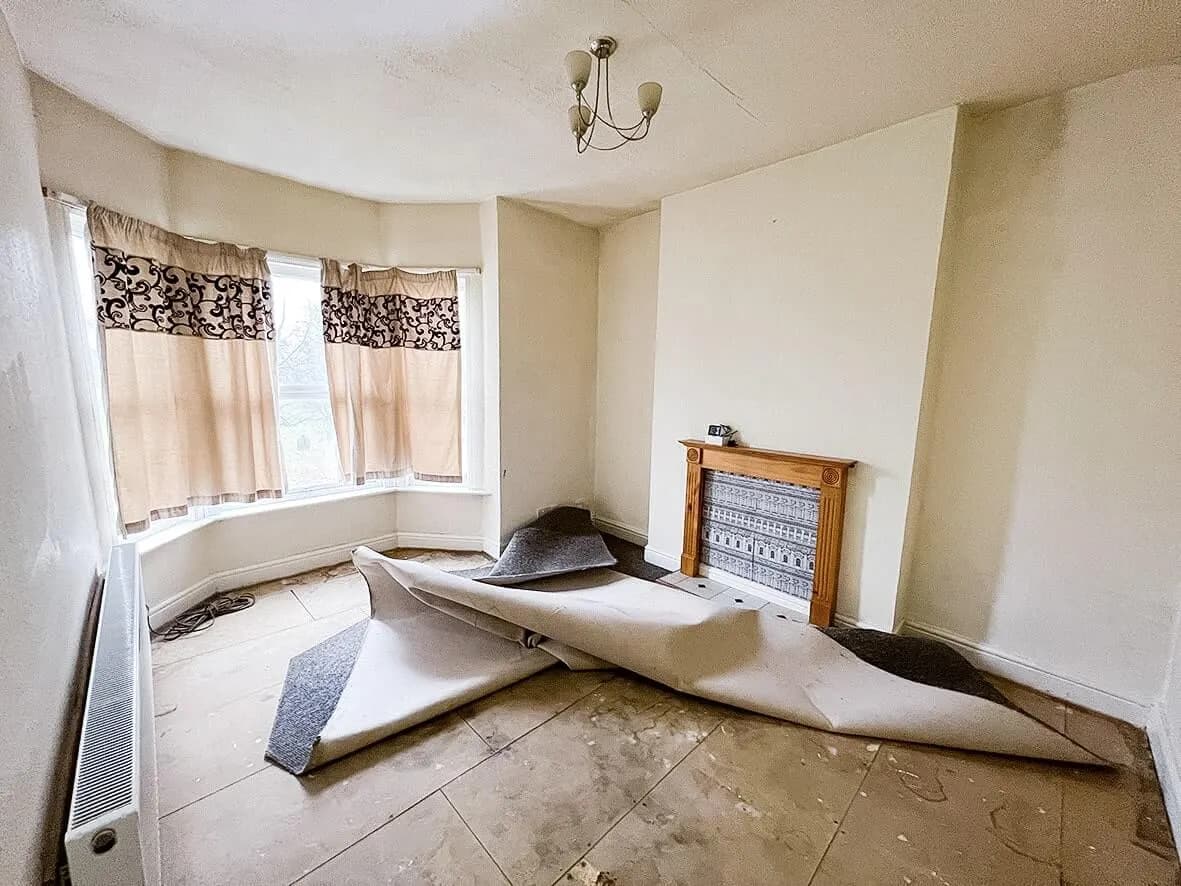
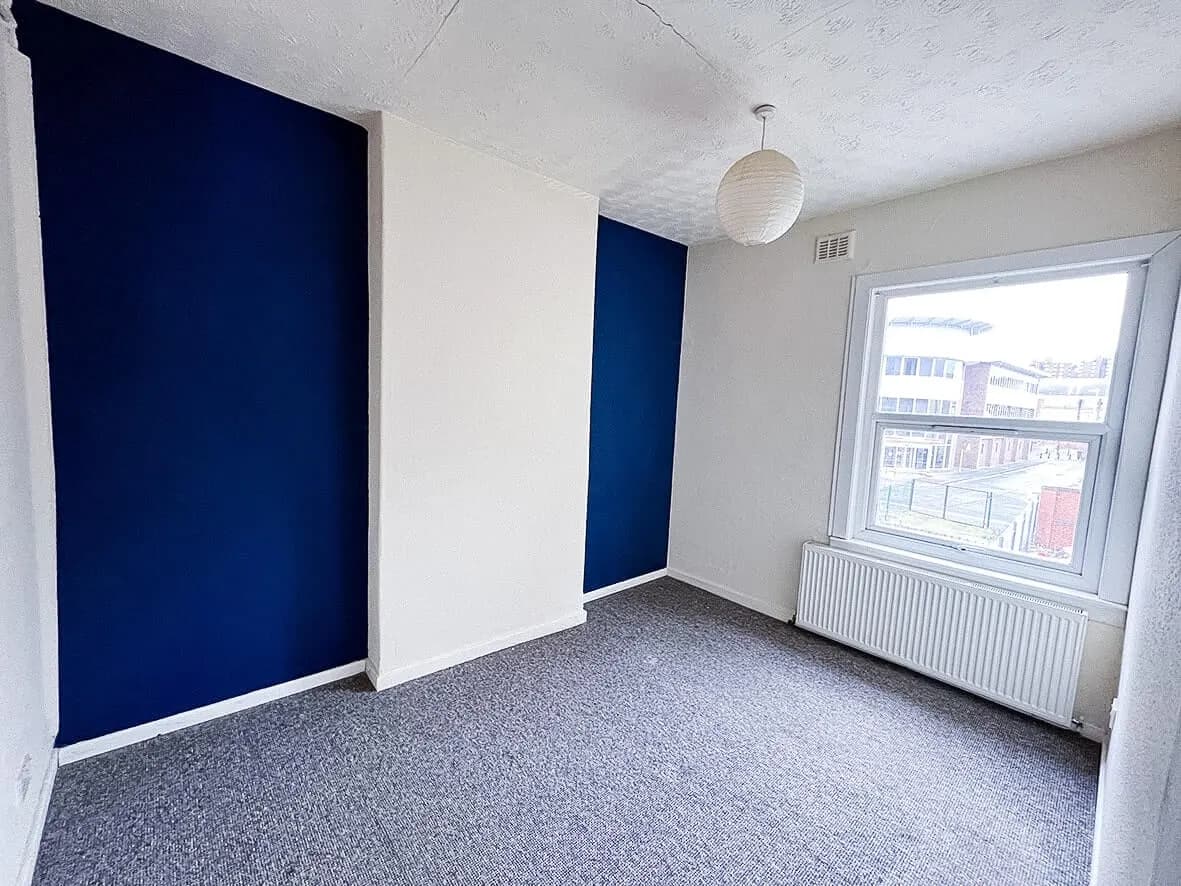
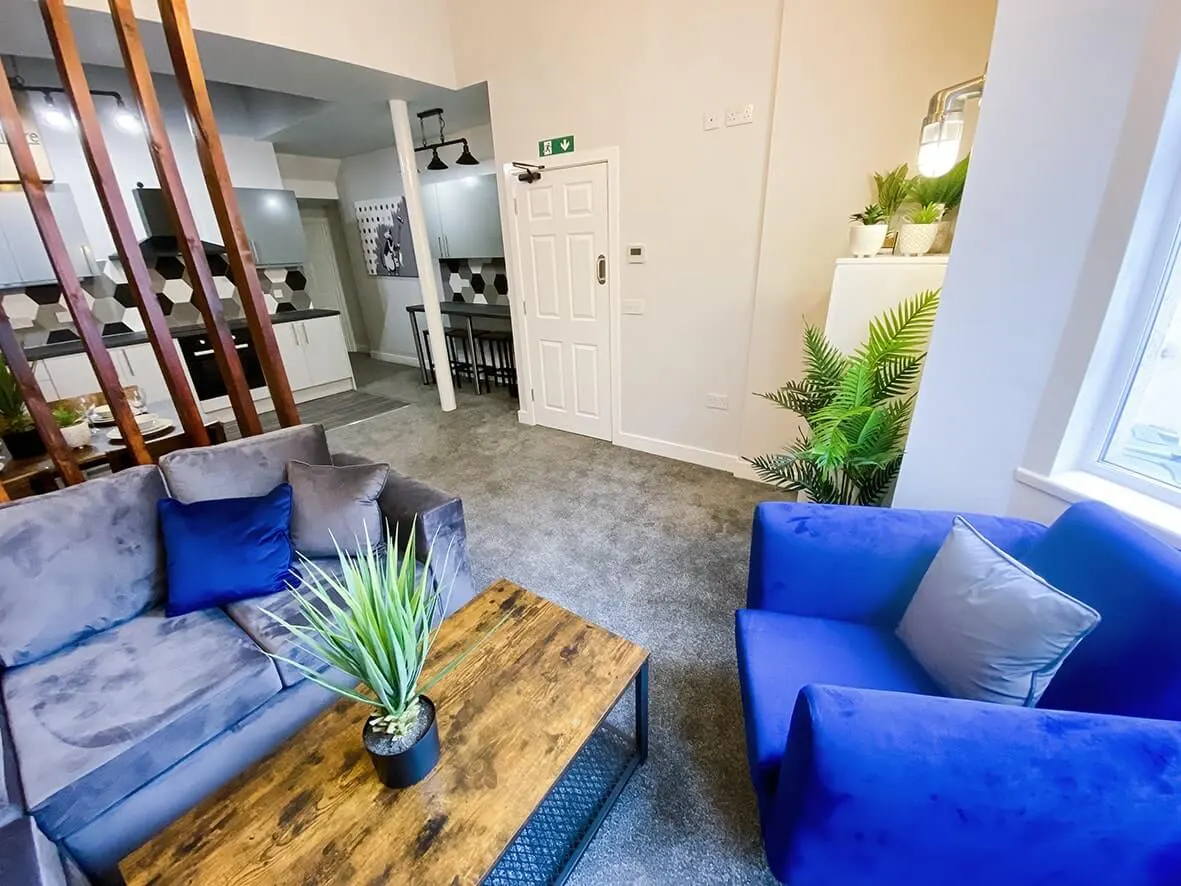
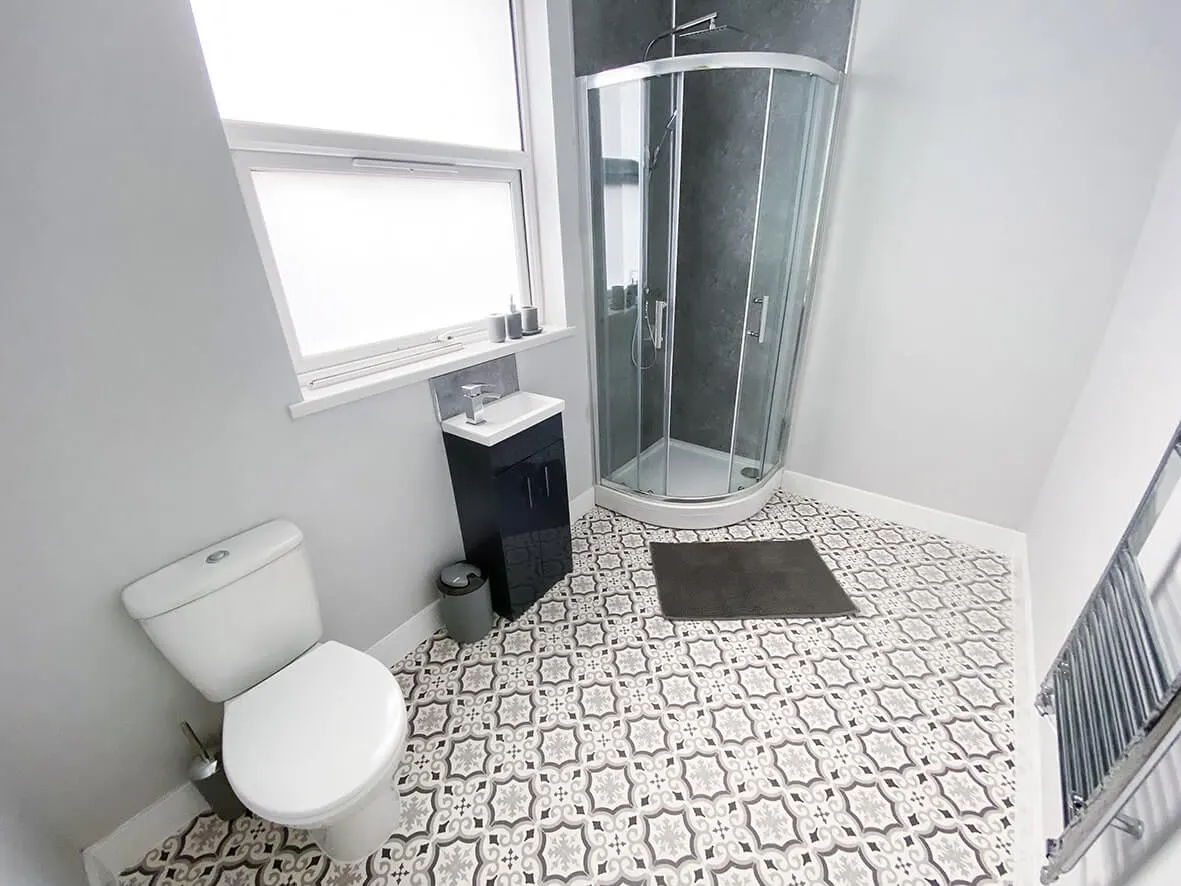
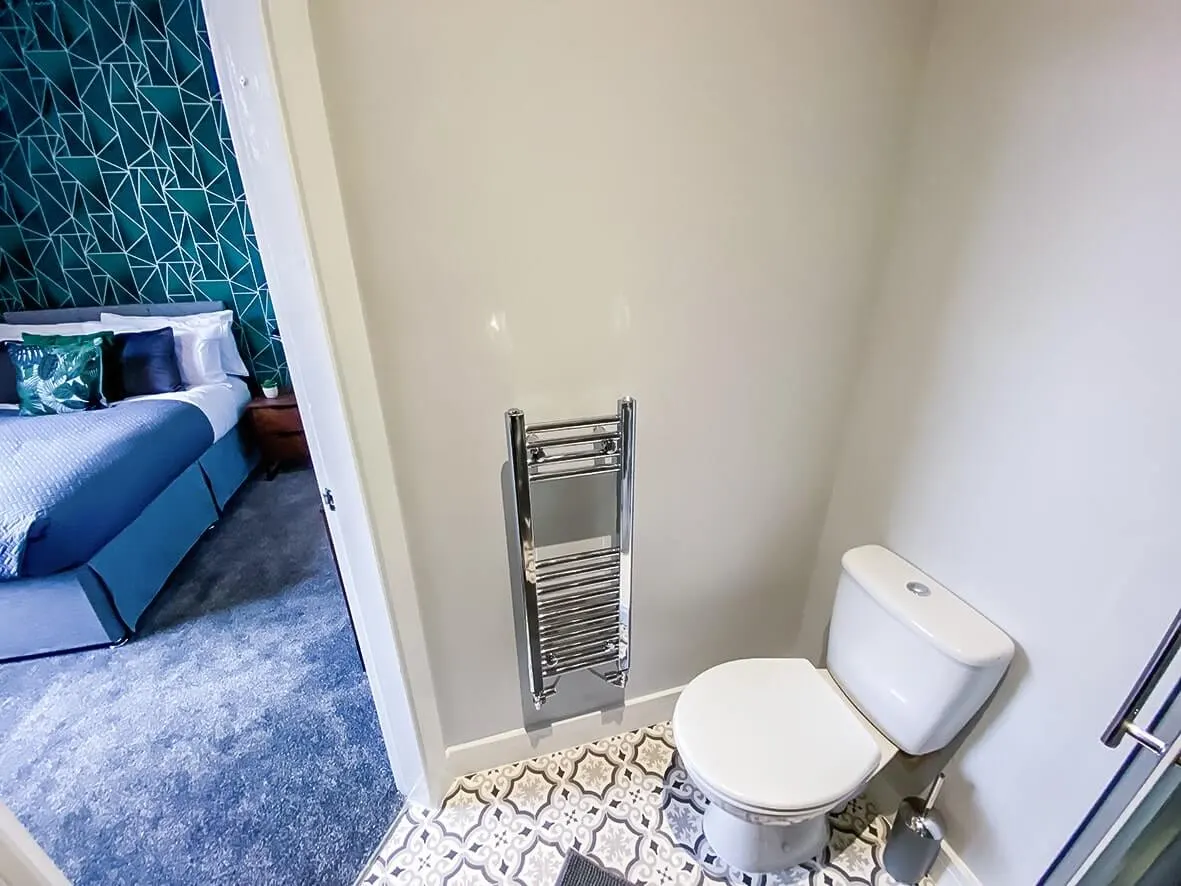
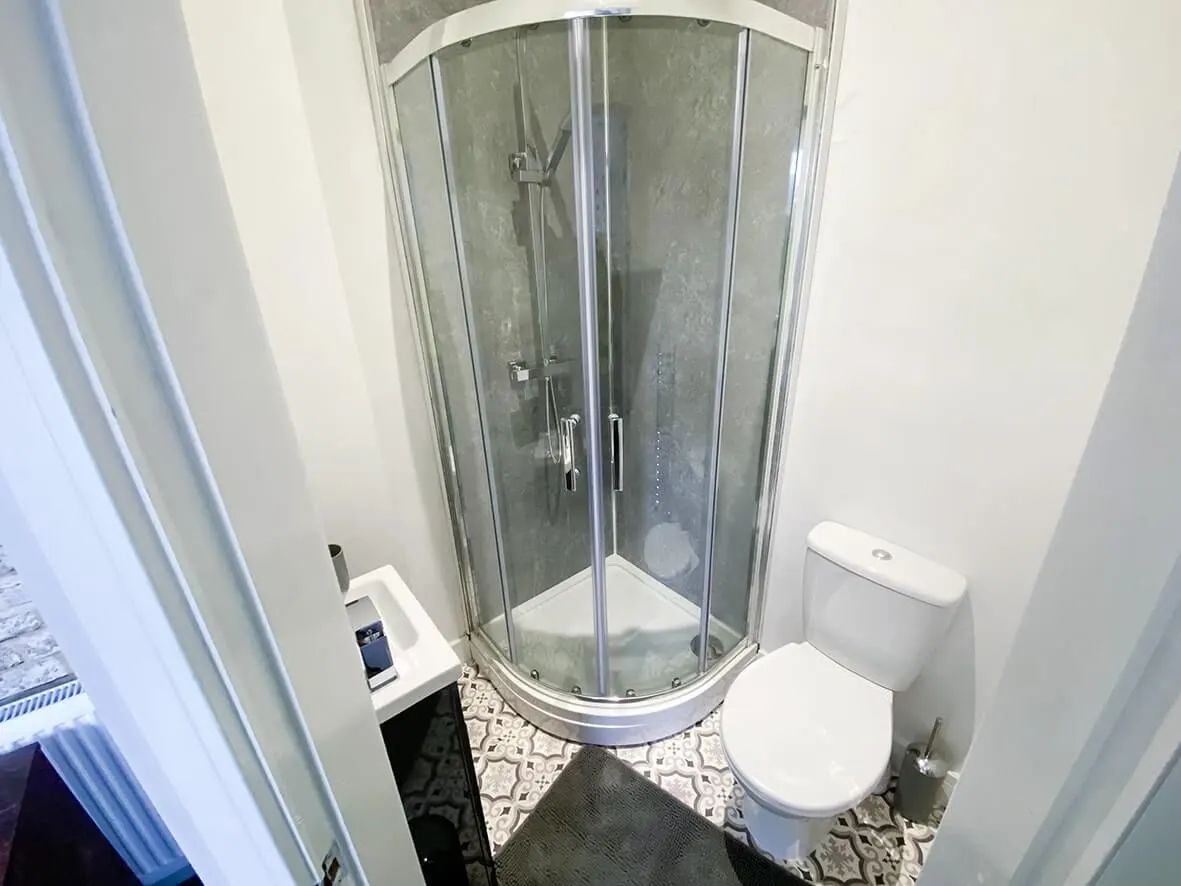
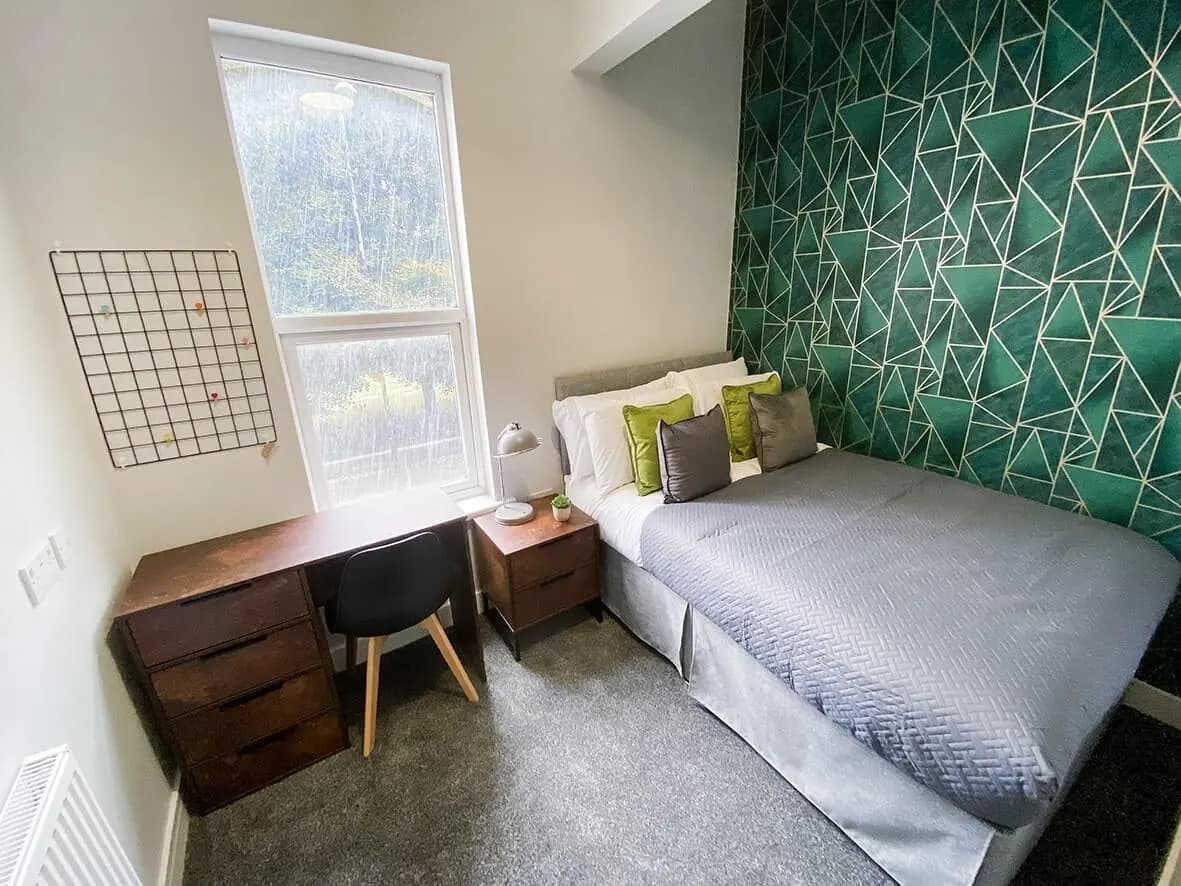
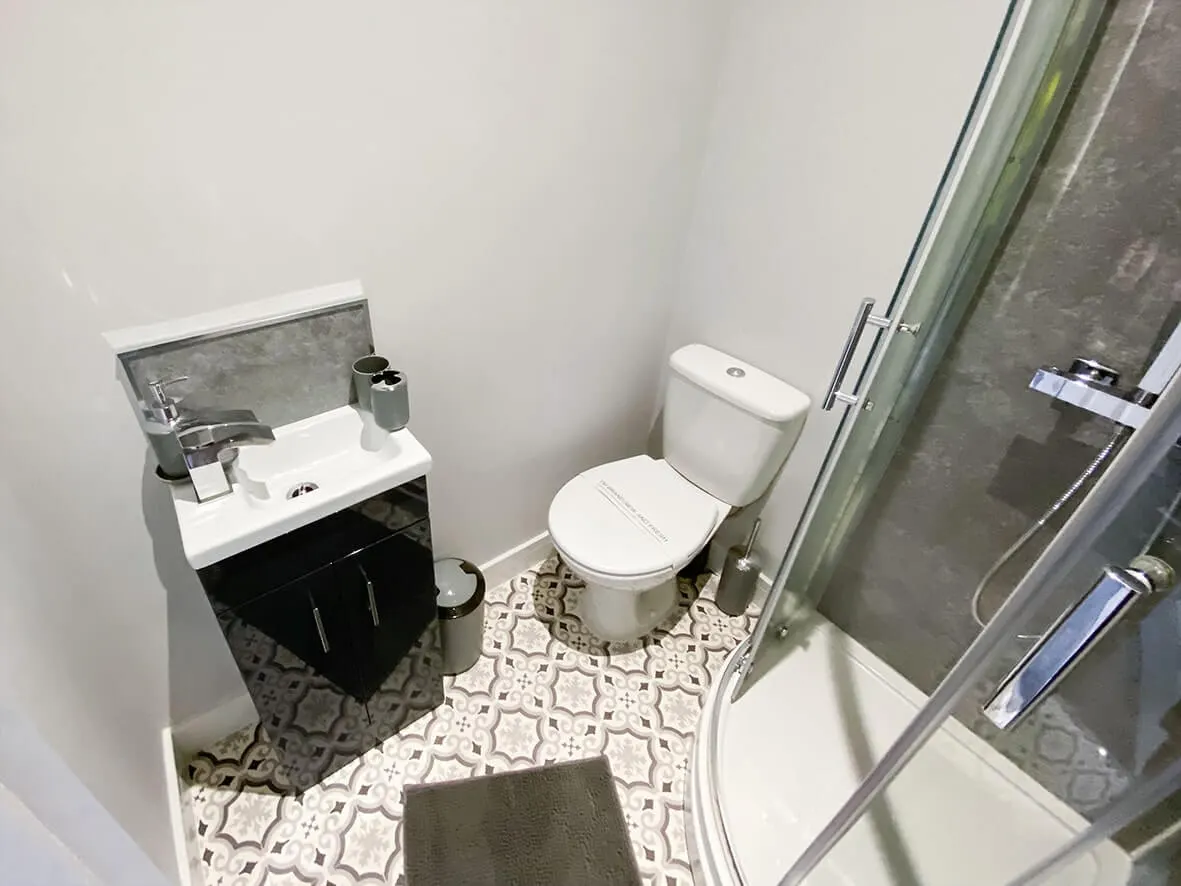
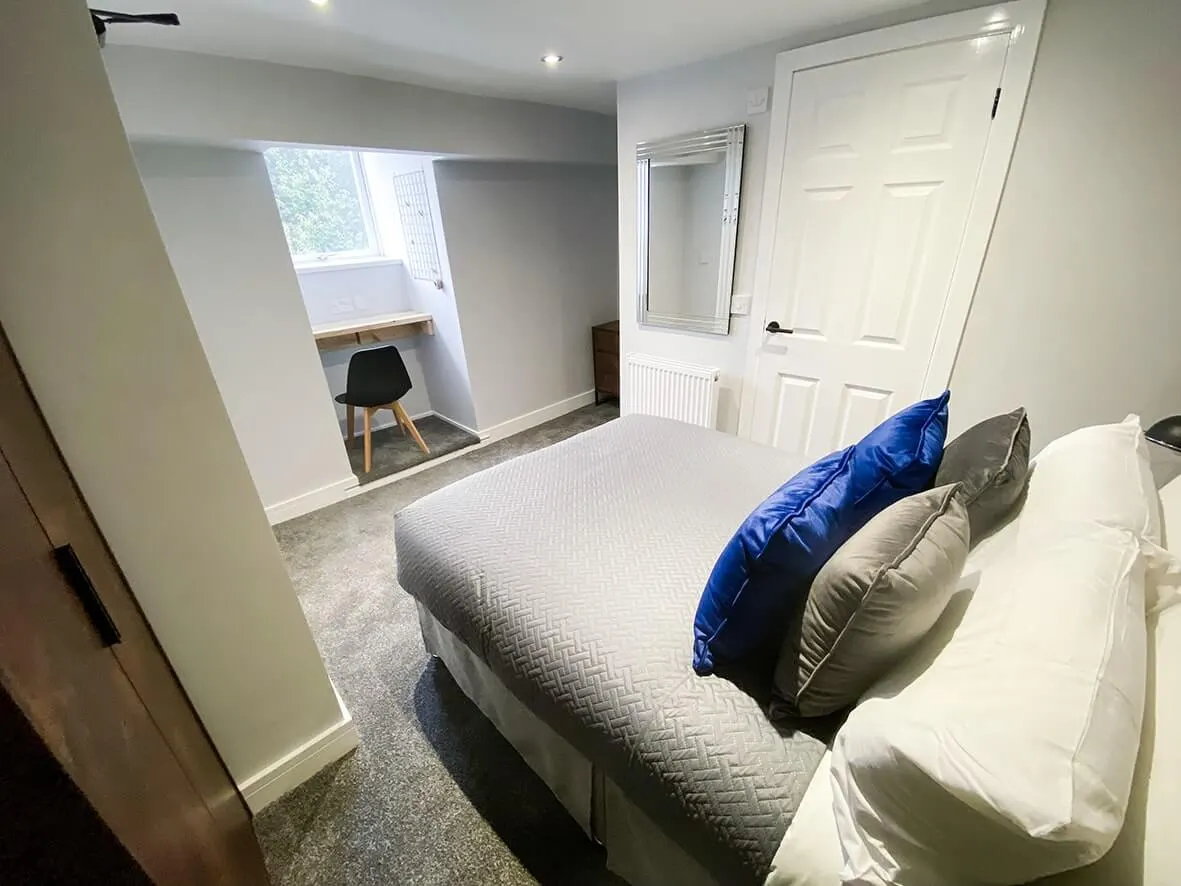
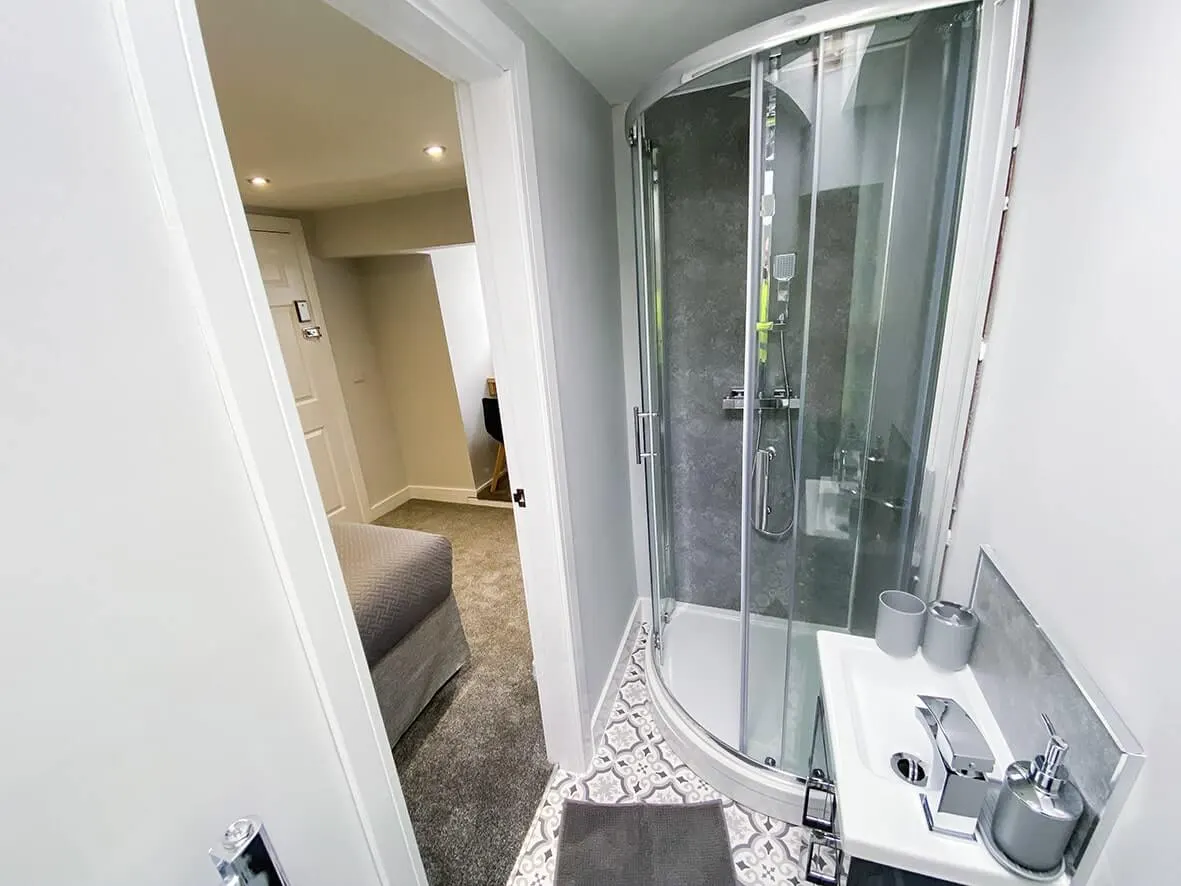
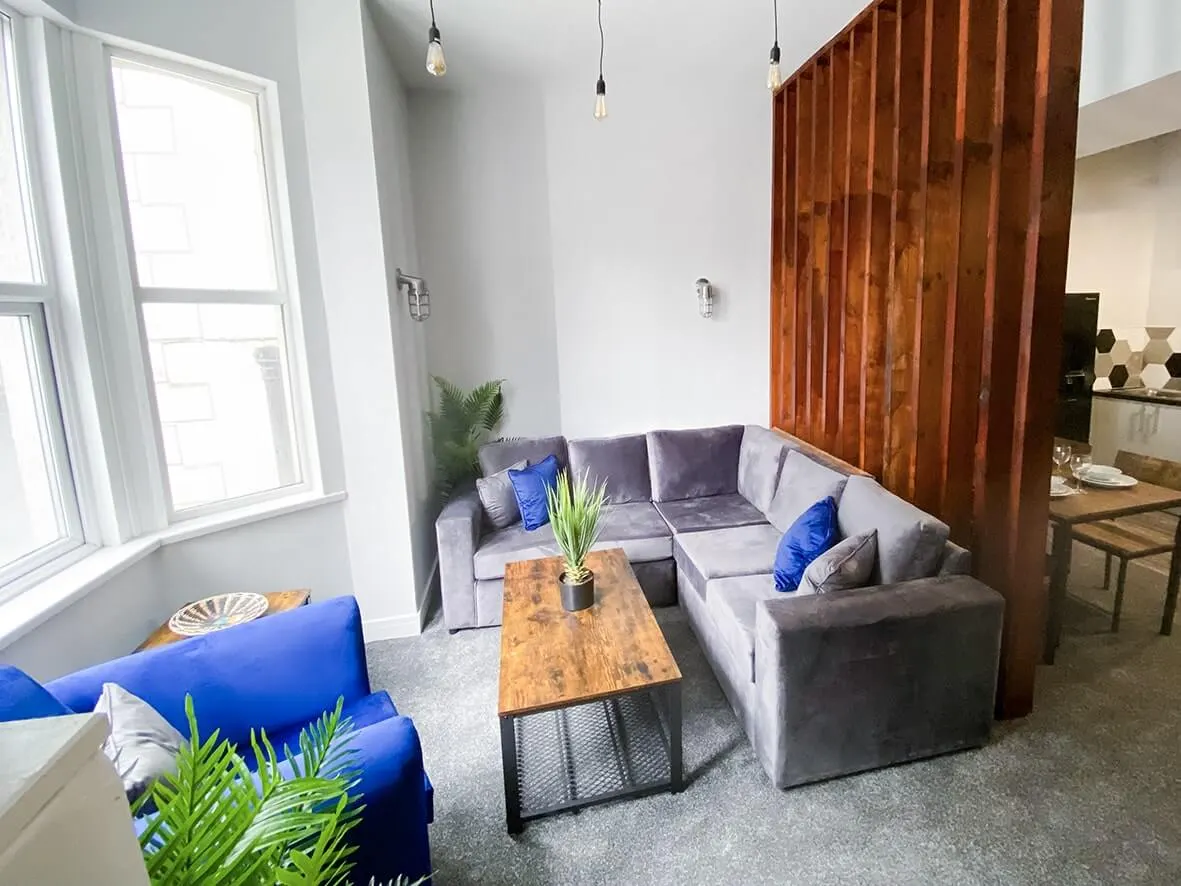
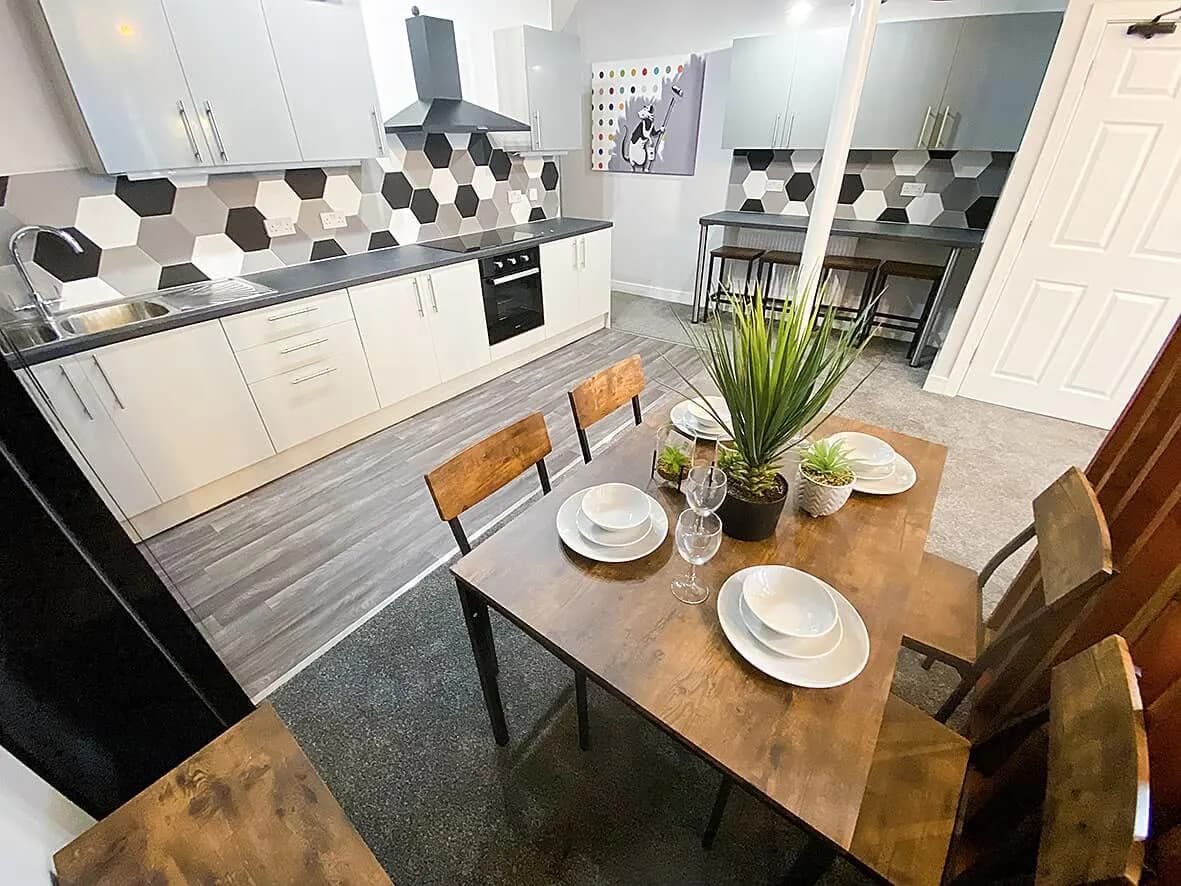
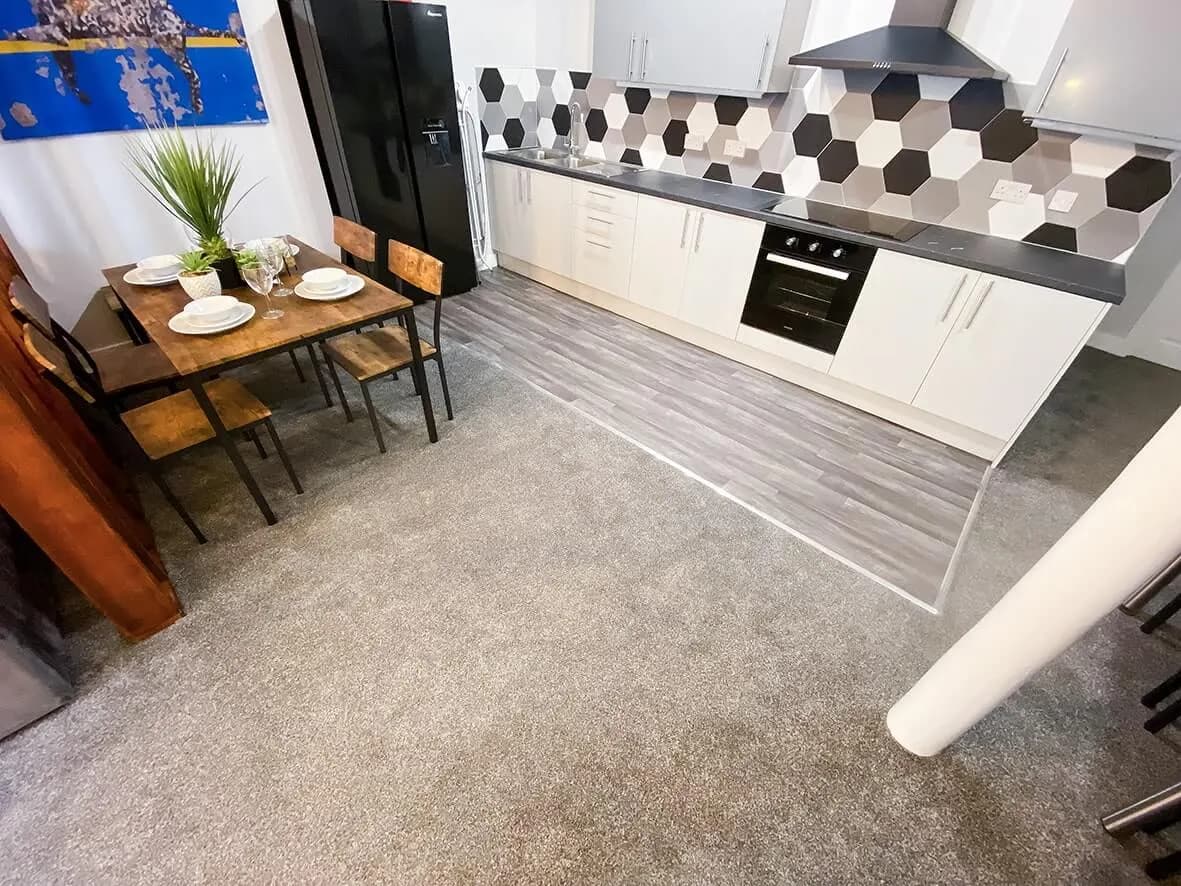
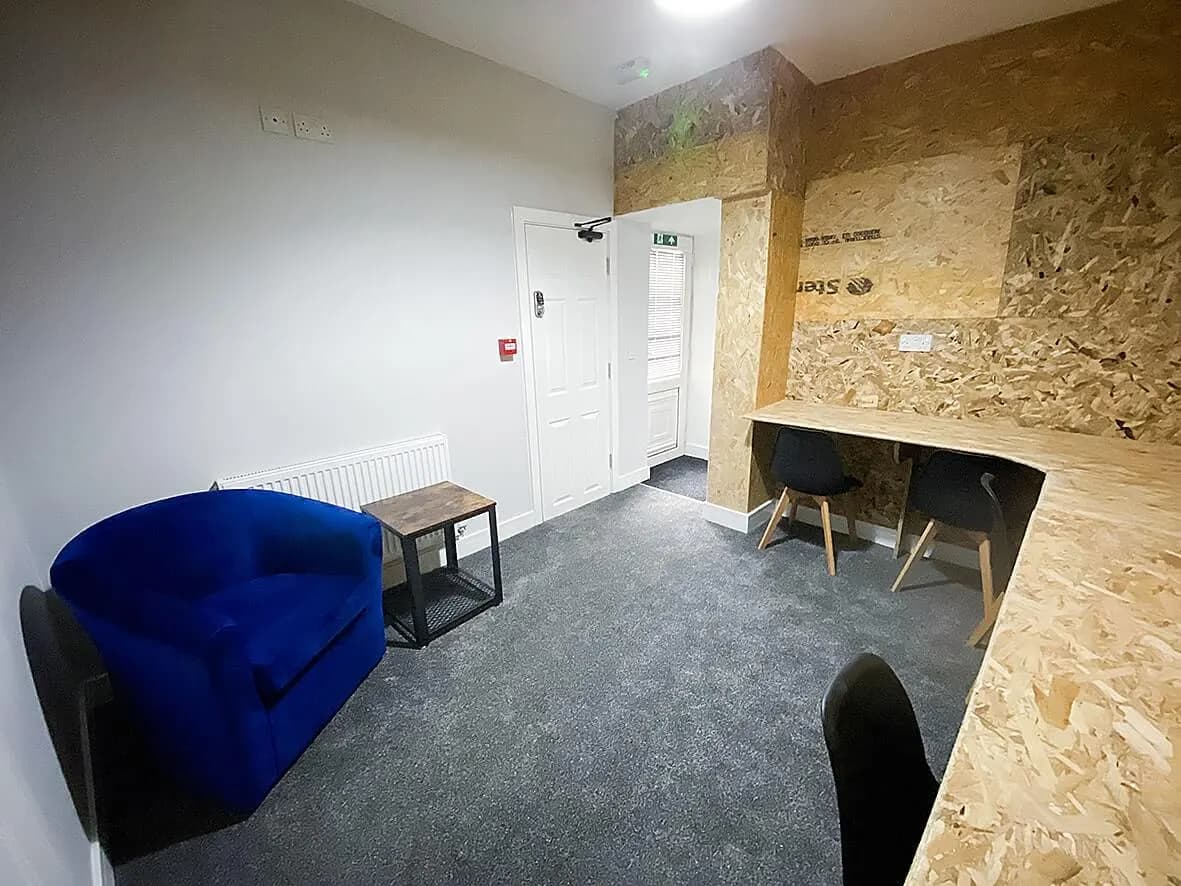
If you are weighing up a UK HMO purchase, this is a typical process you can follow. It is a builder's observations from jobs, not financial advice.
**1. Decide on a strategy.** Who is your target audience, students or professionals? That determines the area you buy in. Stoke-on-Trent example: target Staffs Uni students by buying in the university quarter; target professionals by buying in commuter-belt towns.
**2. Avoid Article 4.** Article 4 stipulates that planning permission is required for change of use (e.g. house to HMO). Steer clear of areas where Article 4 applies if HMO is your strategy. Article 4 directions change, Stoke-on-Trent included: check the council's current position on every purchase.
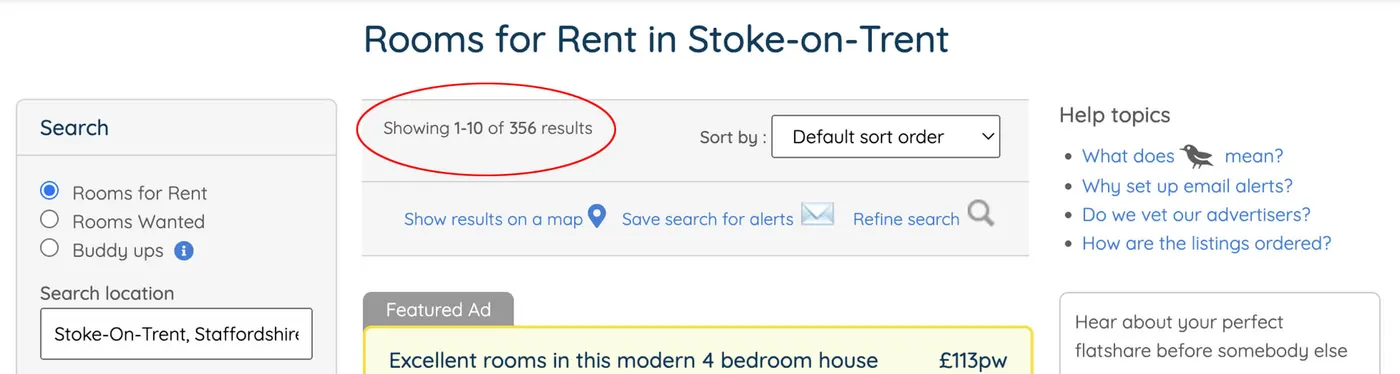
**3. Check demand.** SpareRoom and OpenRent give a clear read on rooms-available vs. people-actively-looking. Local letting agents will tell you the same story from the other side. Both inputs needed, never one or the other.
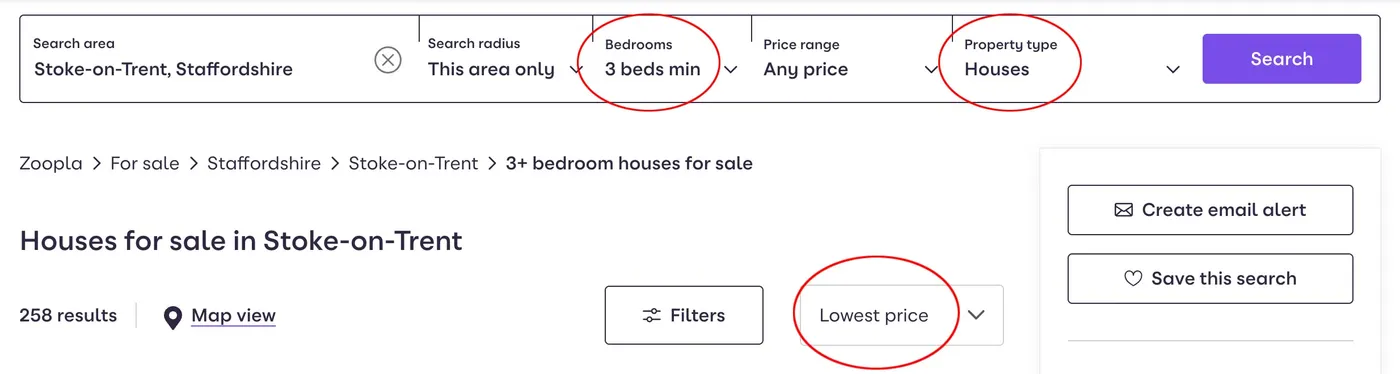
**4. Find potential deals.** Zoopla / RightMove filtered by lowest price. 3+ bedroom houses with floor plans visible. Filter aggressively; most properties won't work as HMOs even when the numbers look right on the surface.
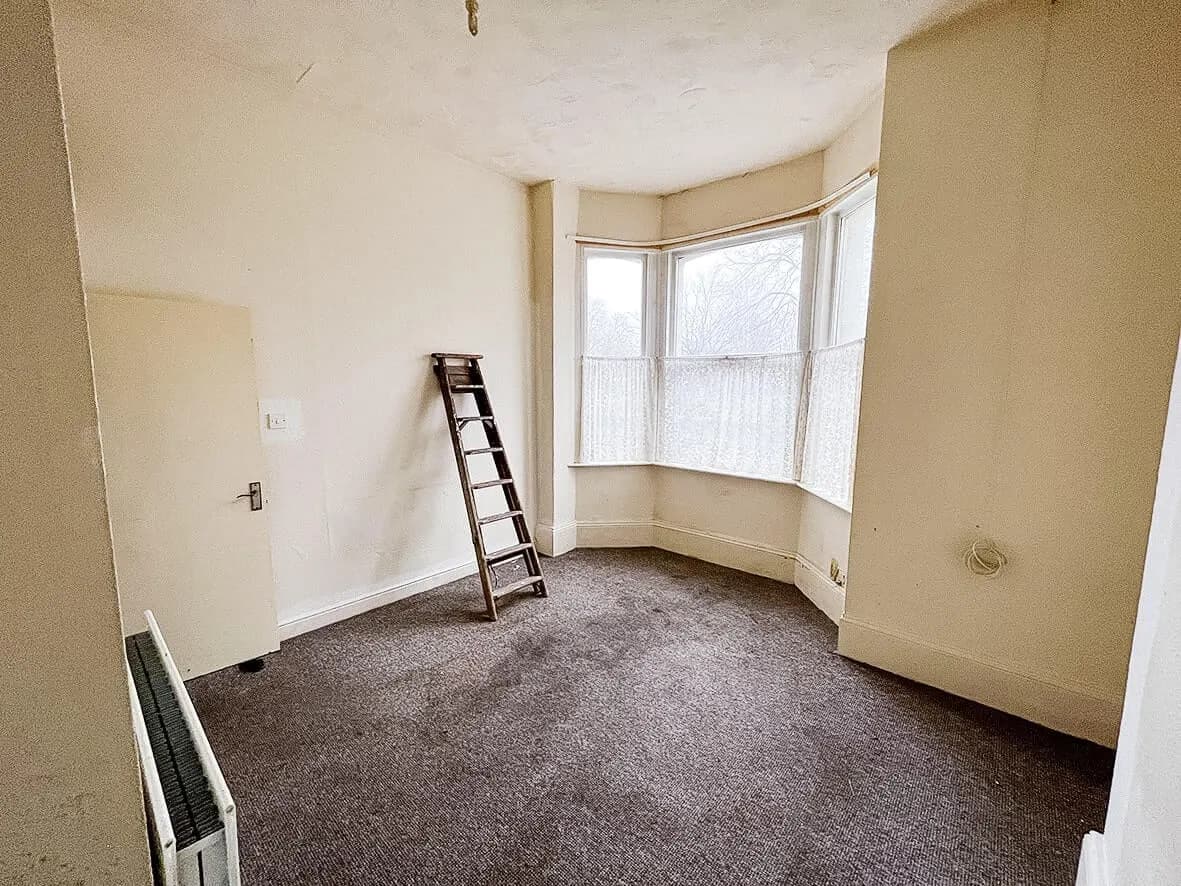
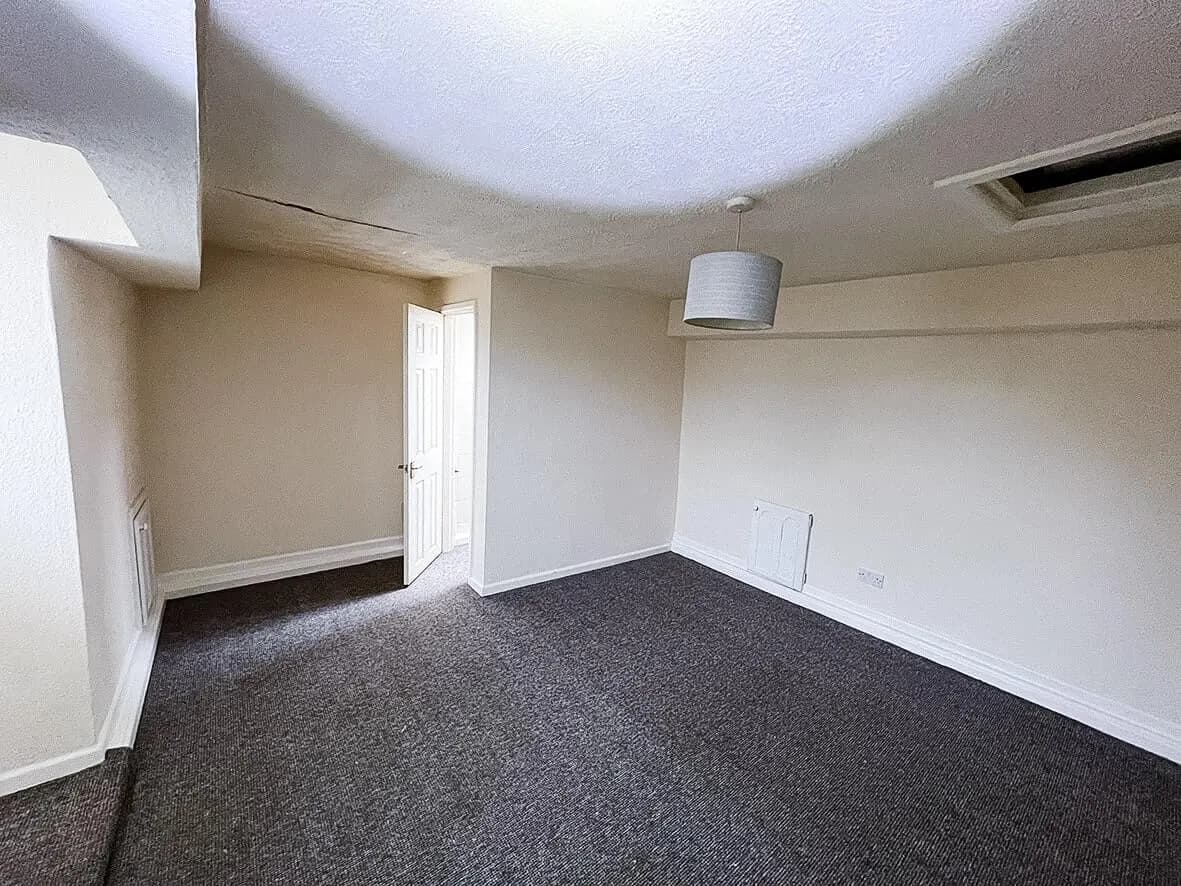
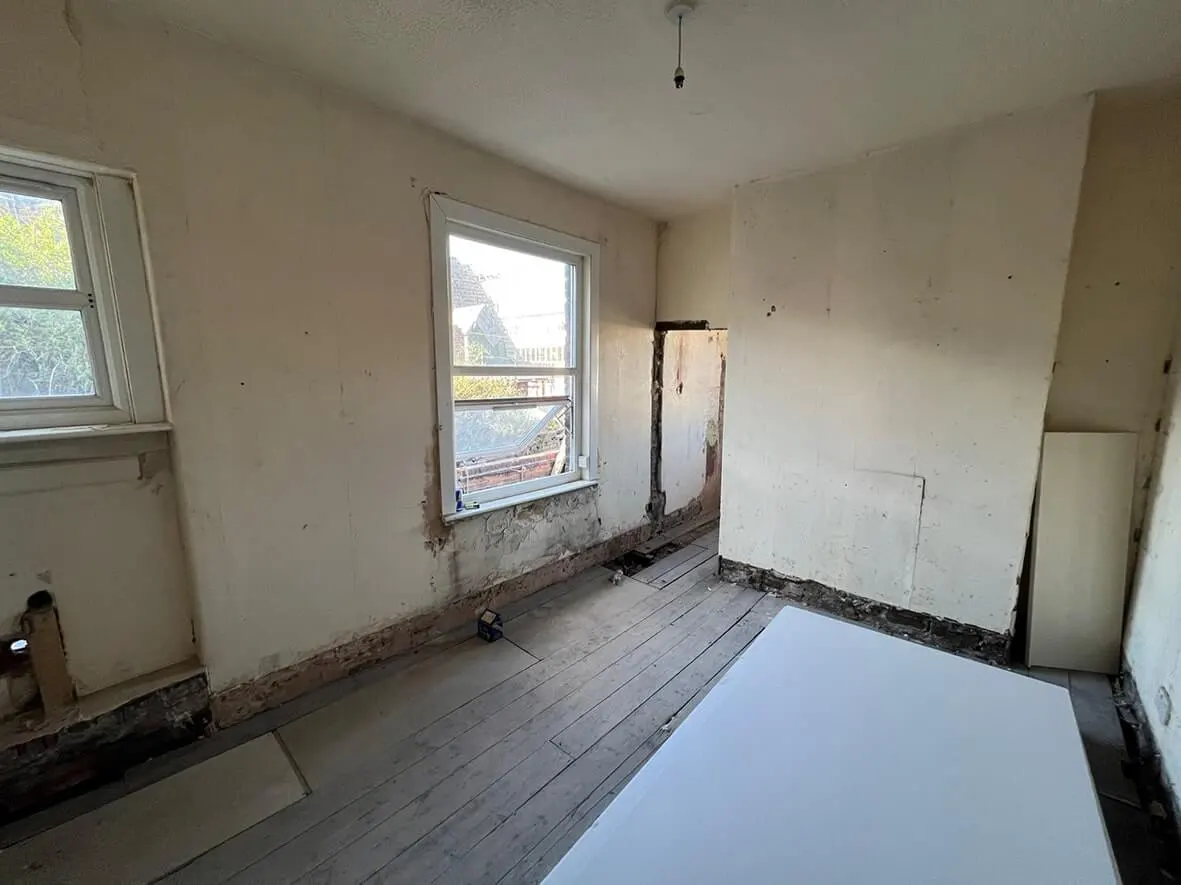
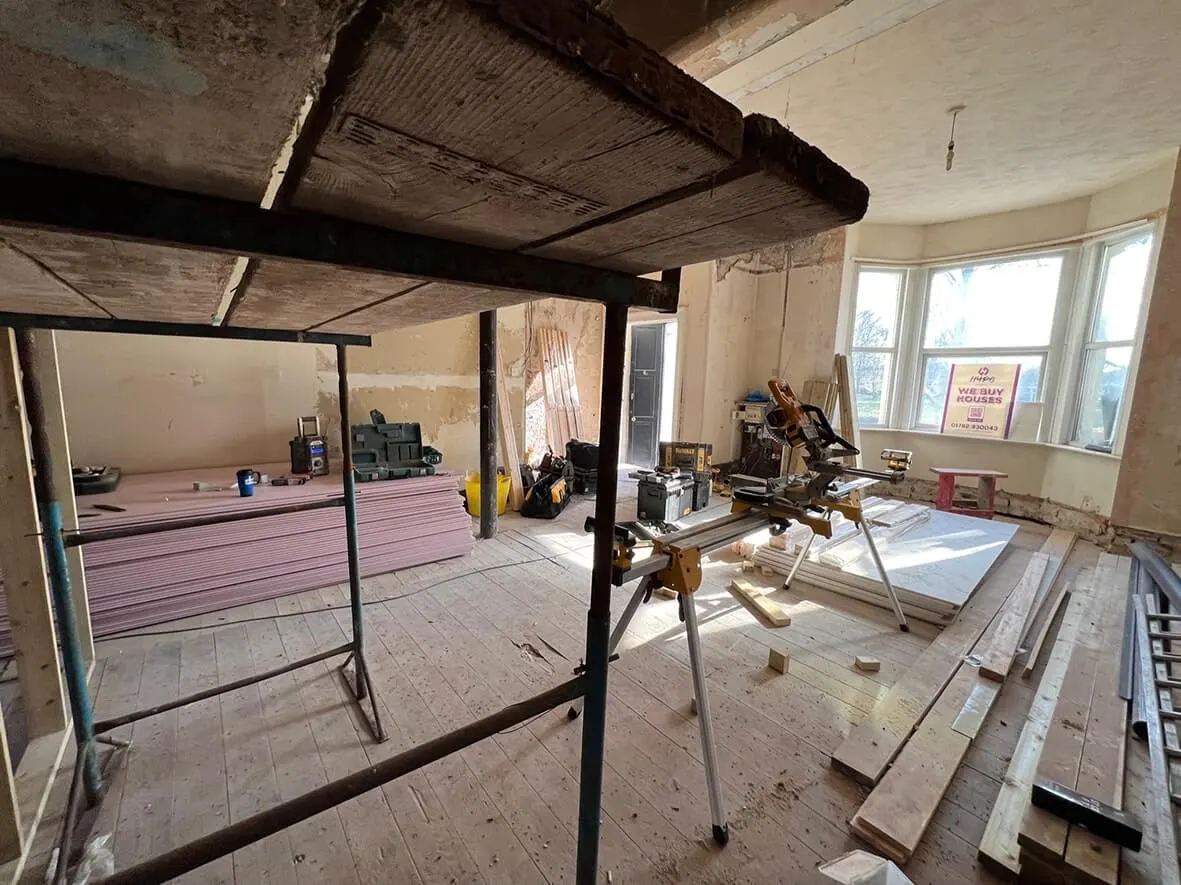
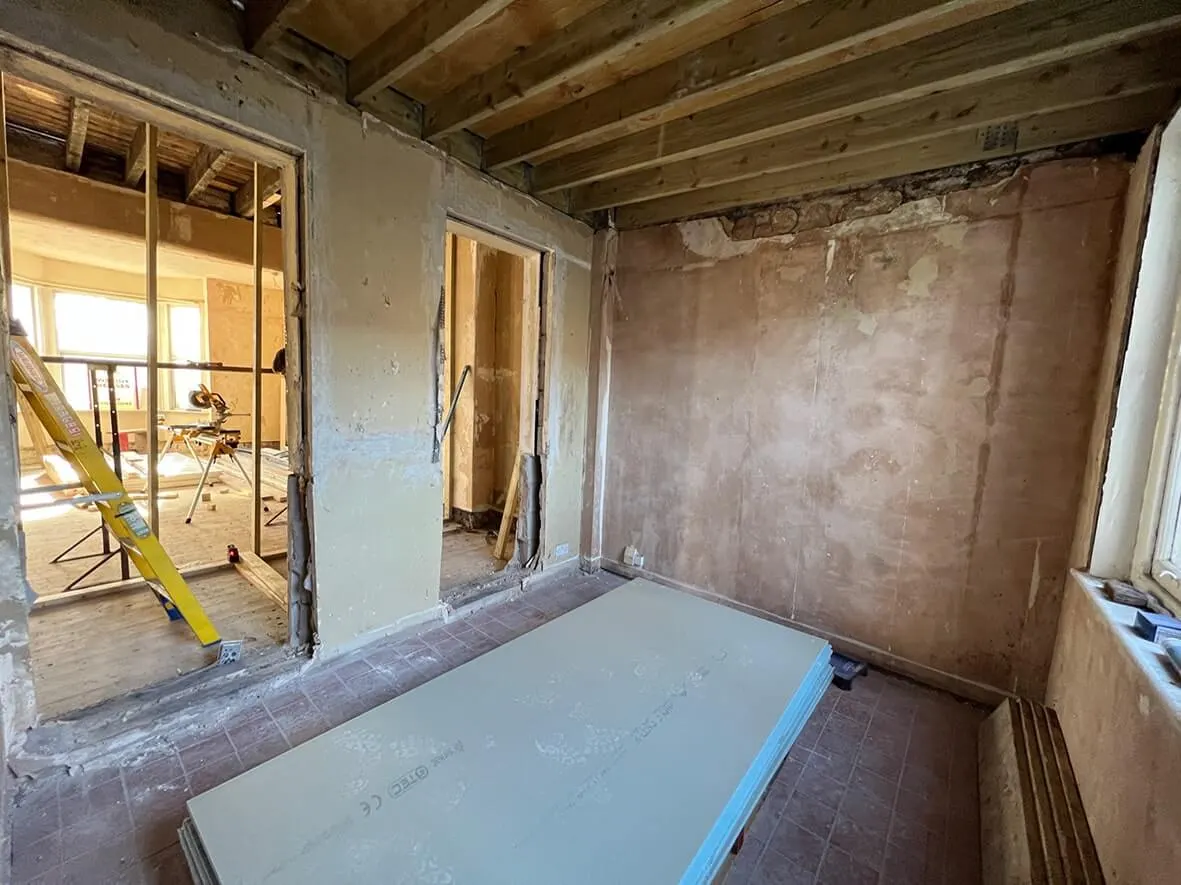
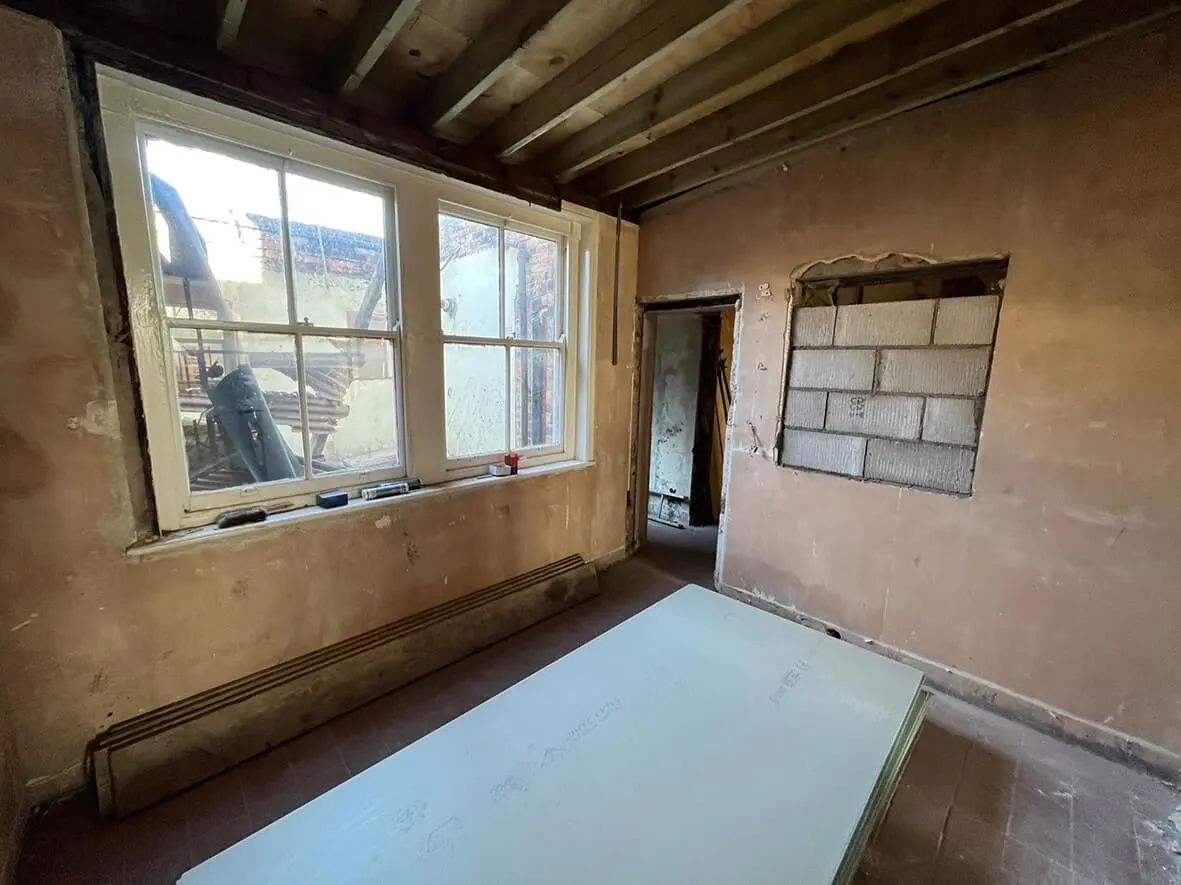
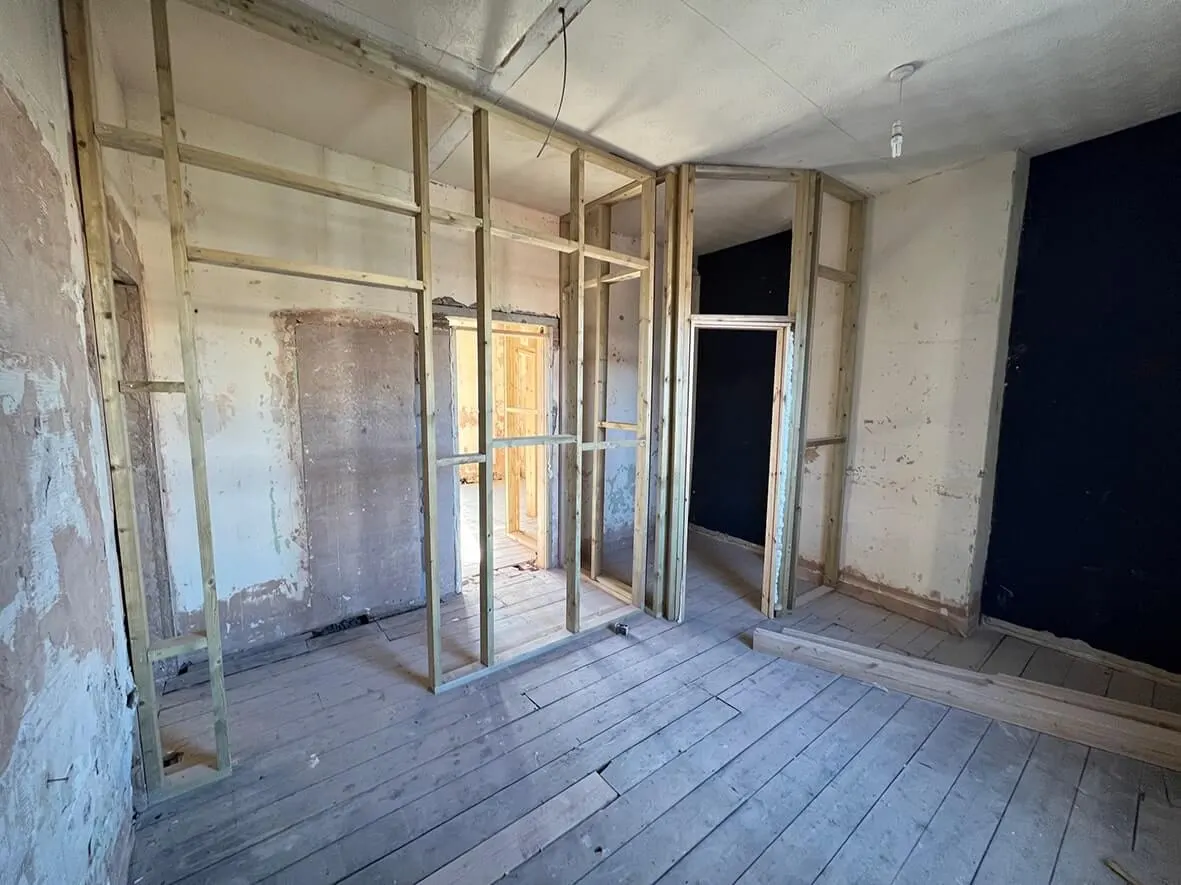
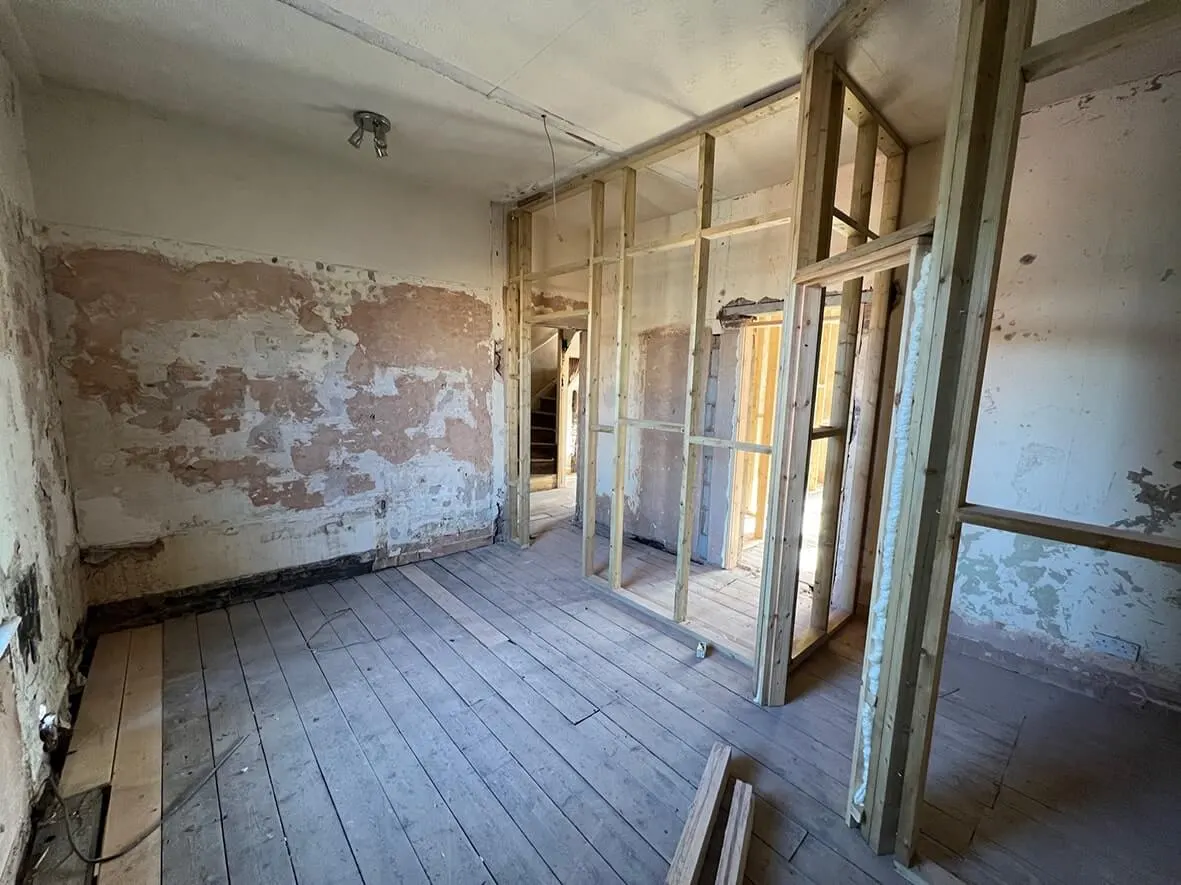
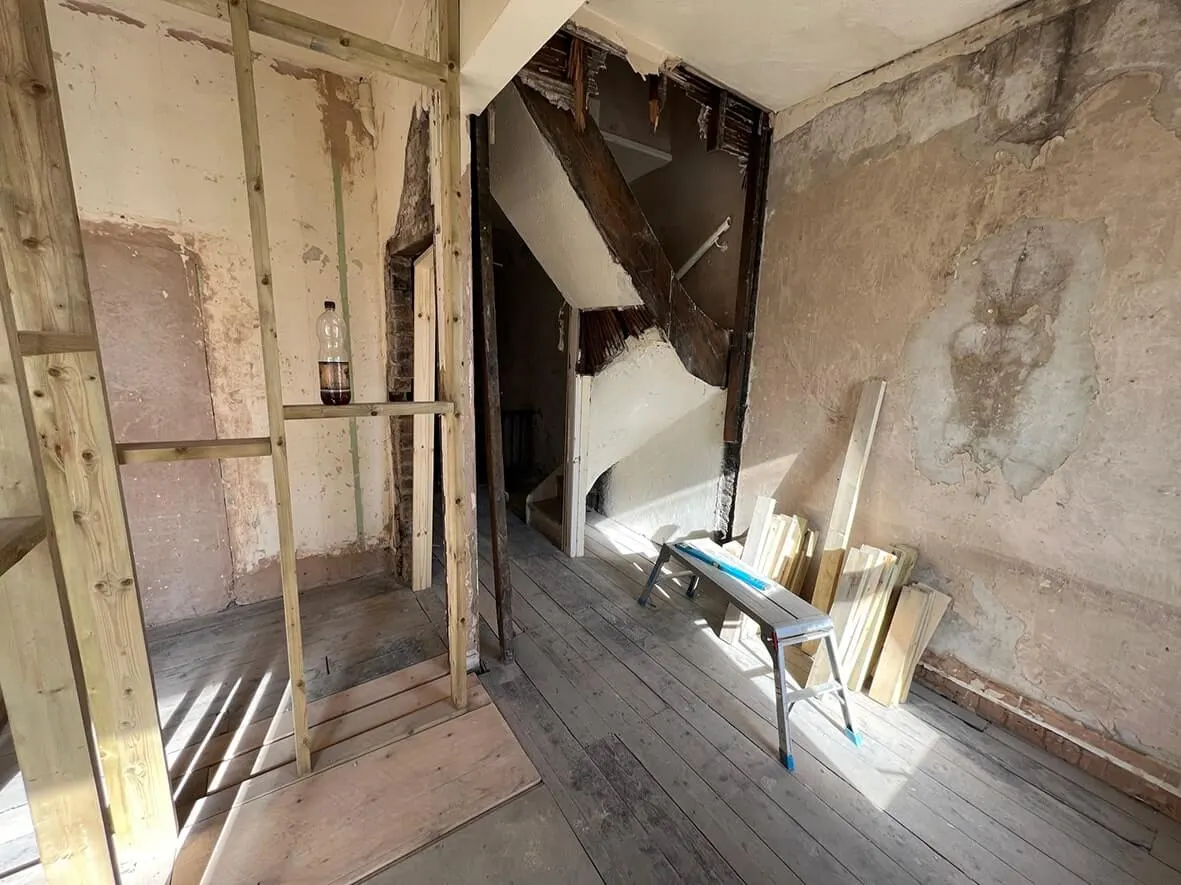
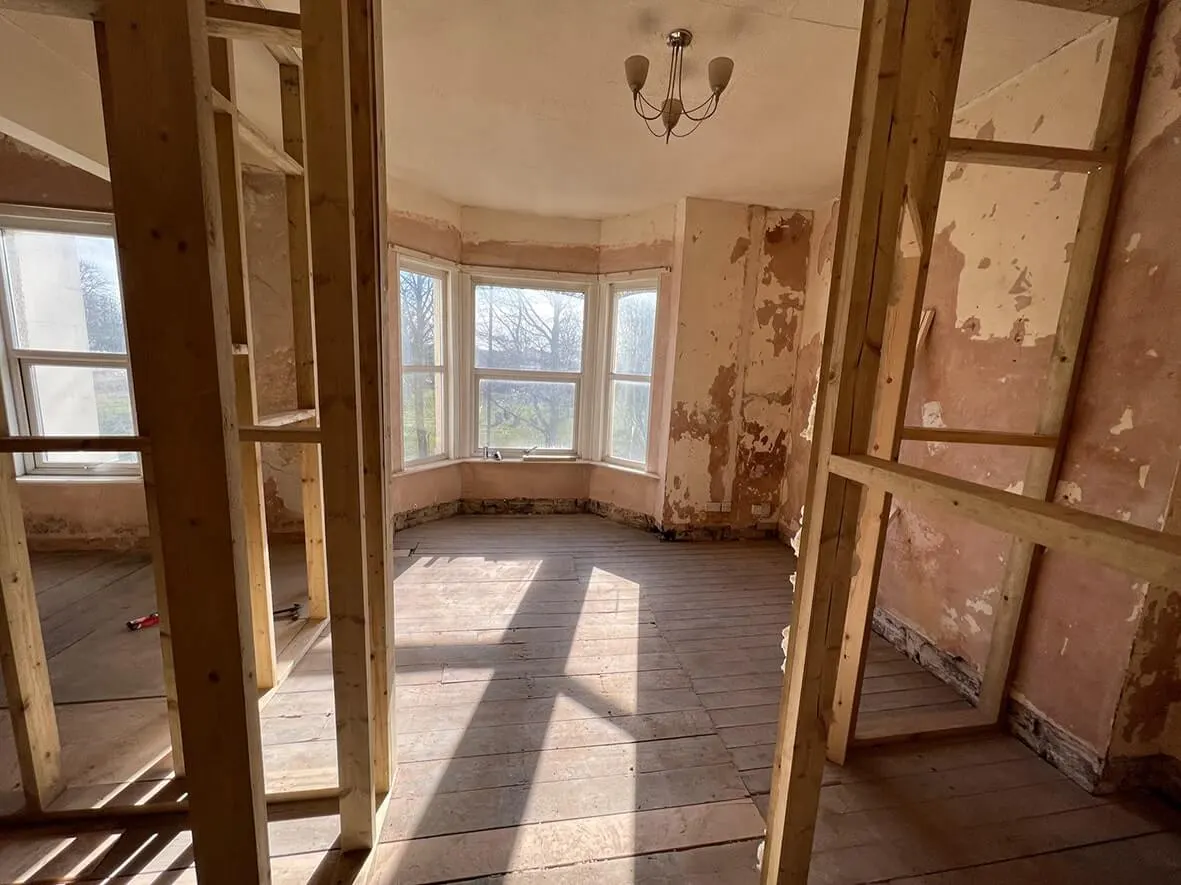
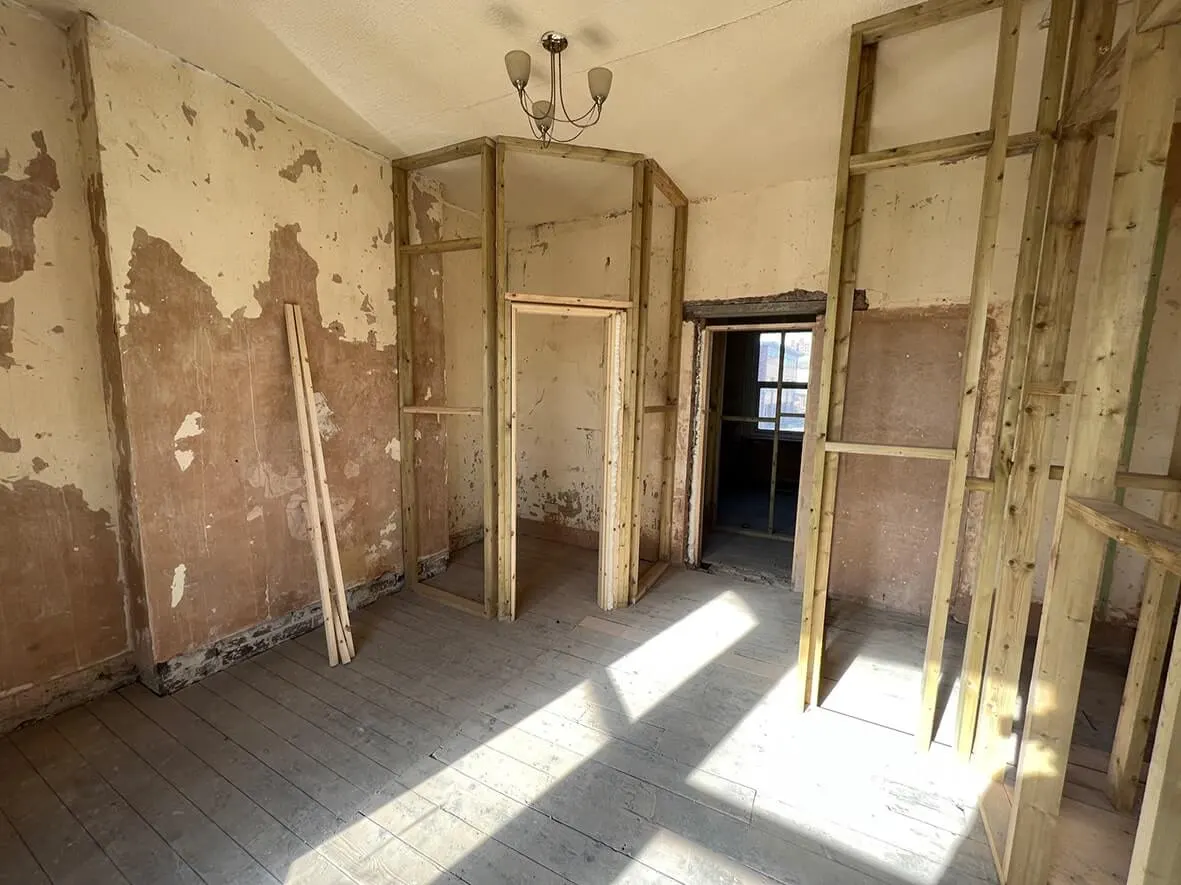
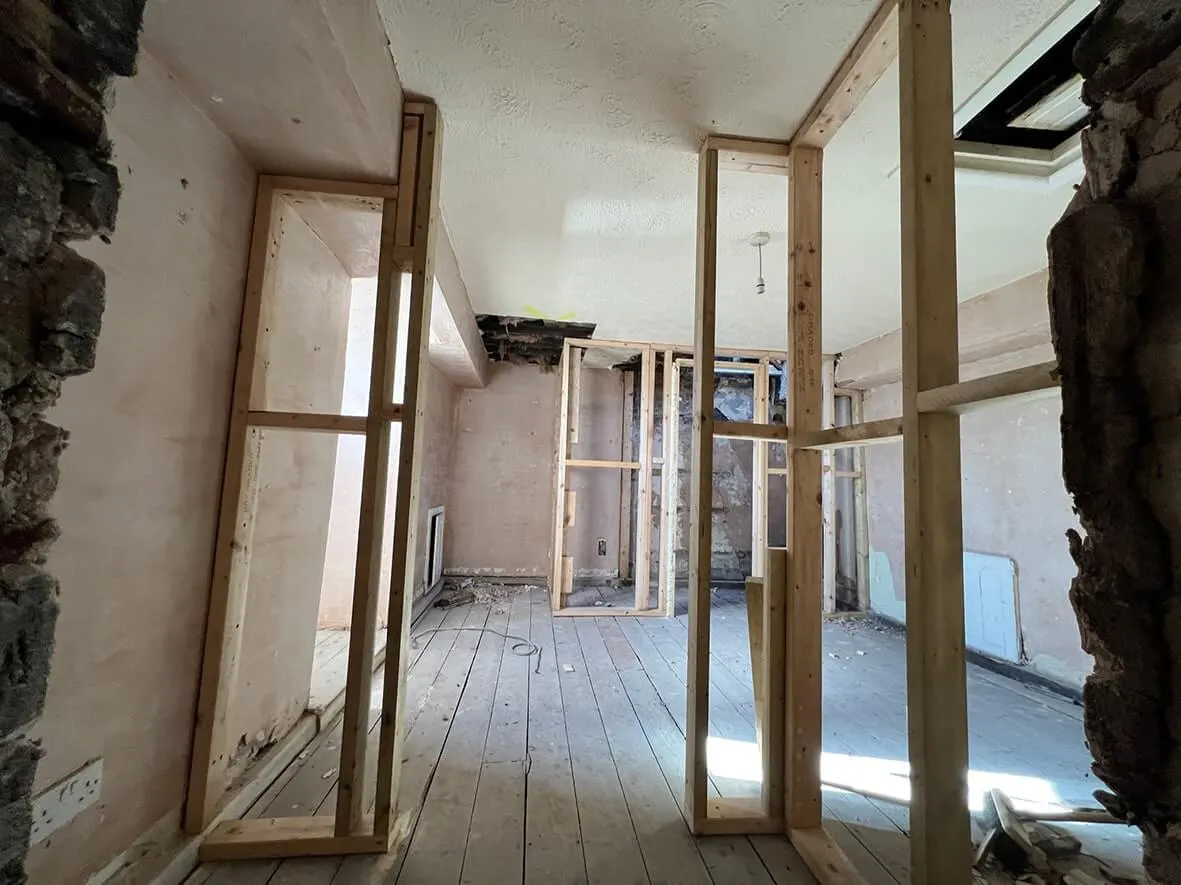
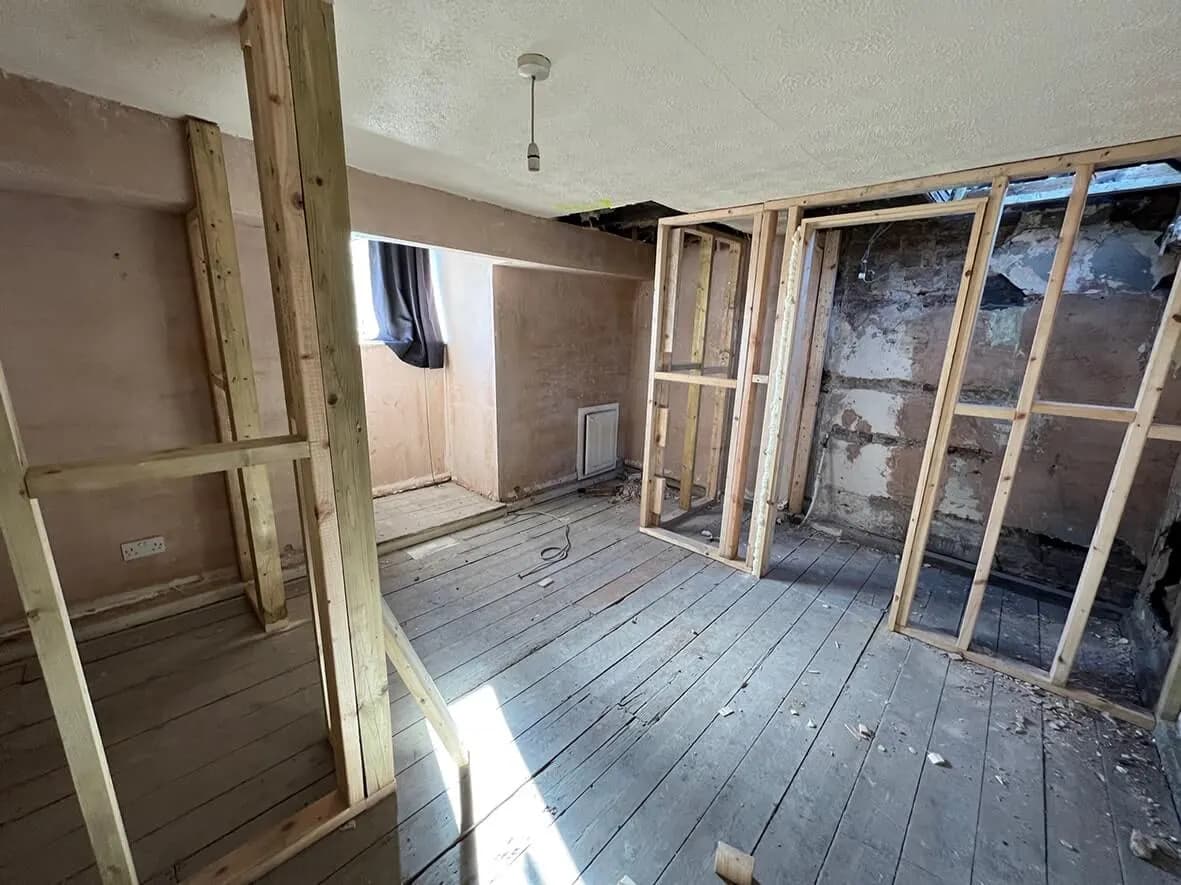
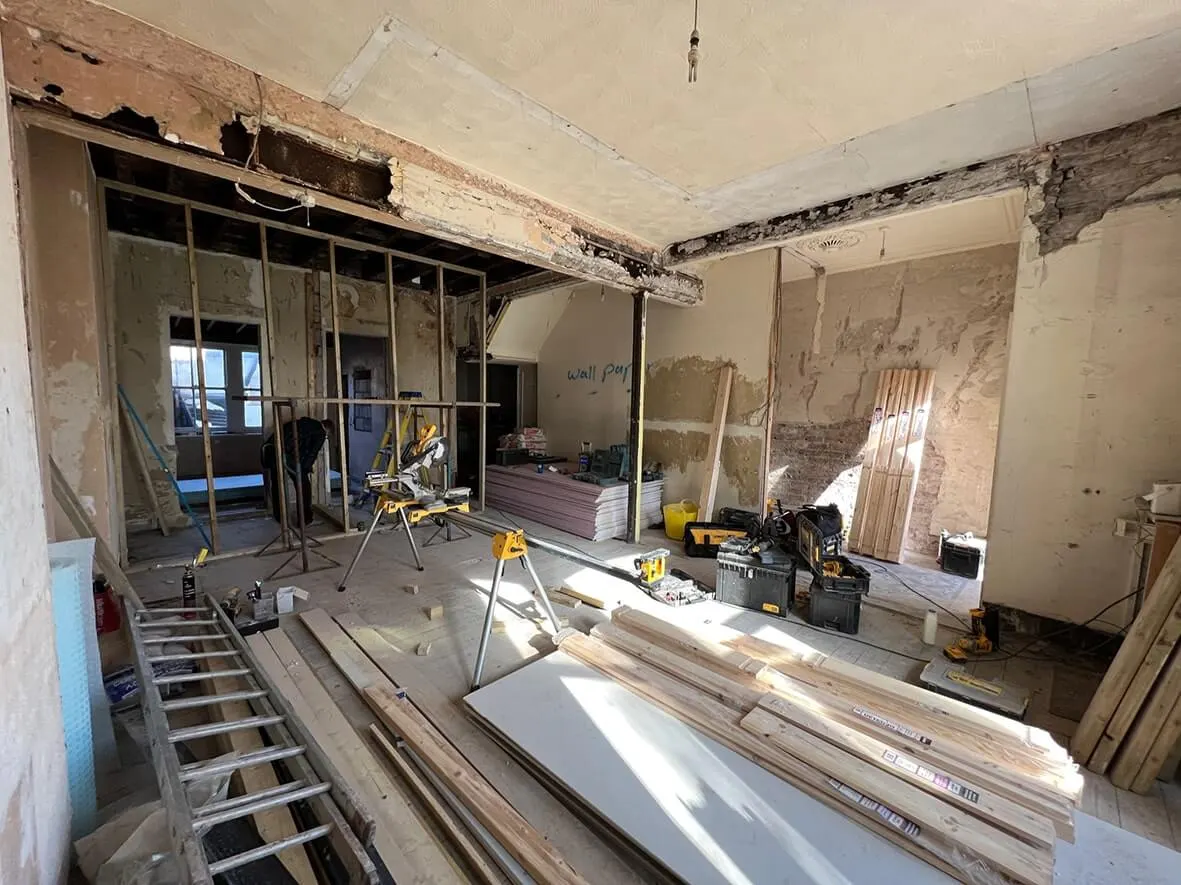
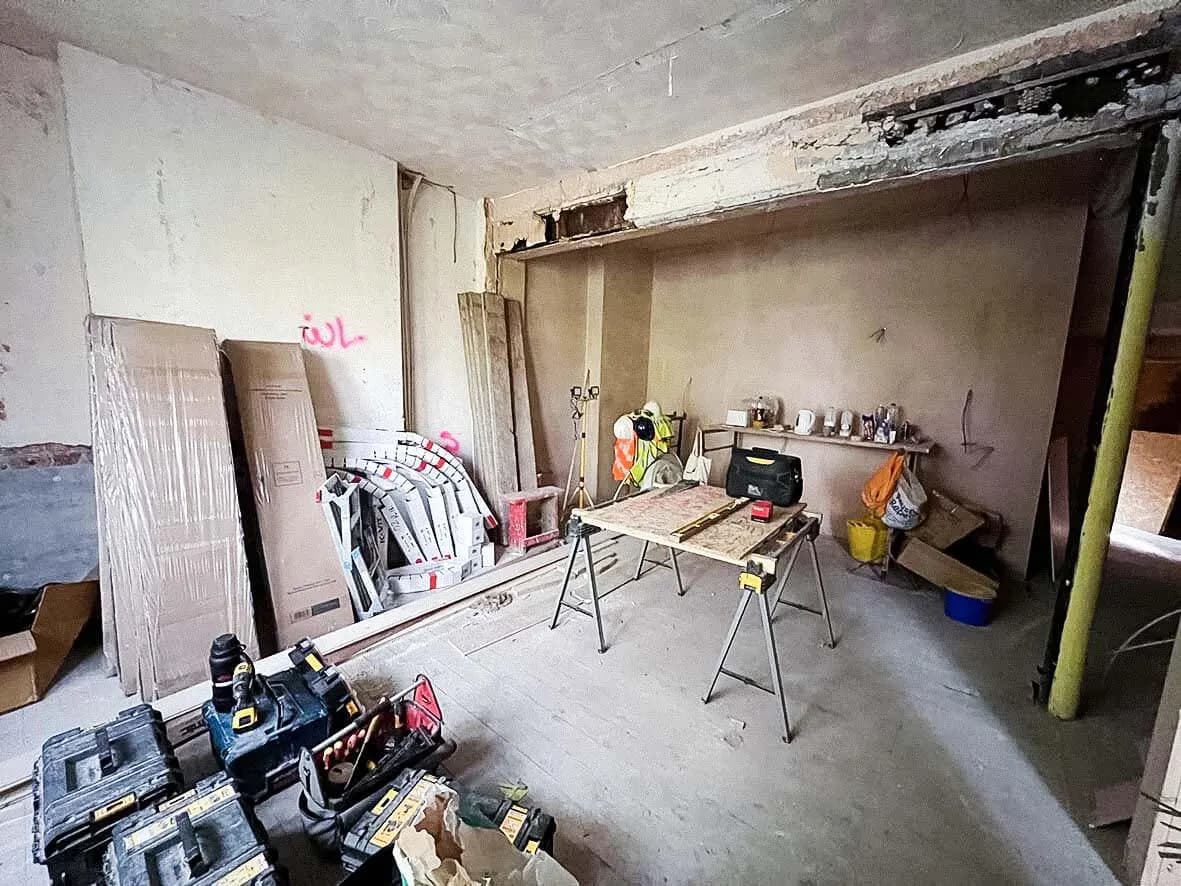
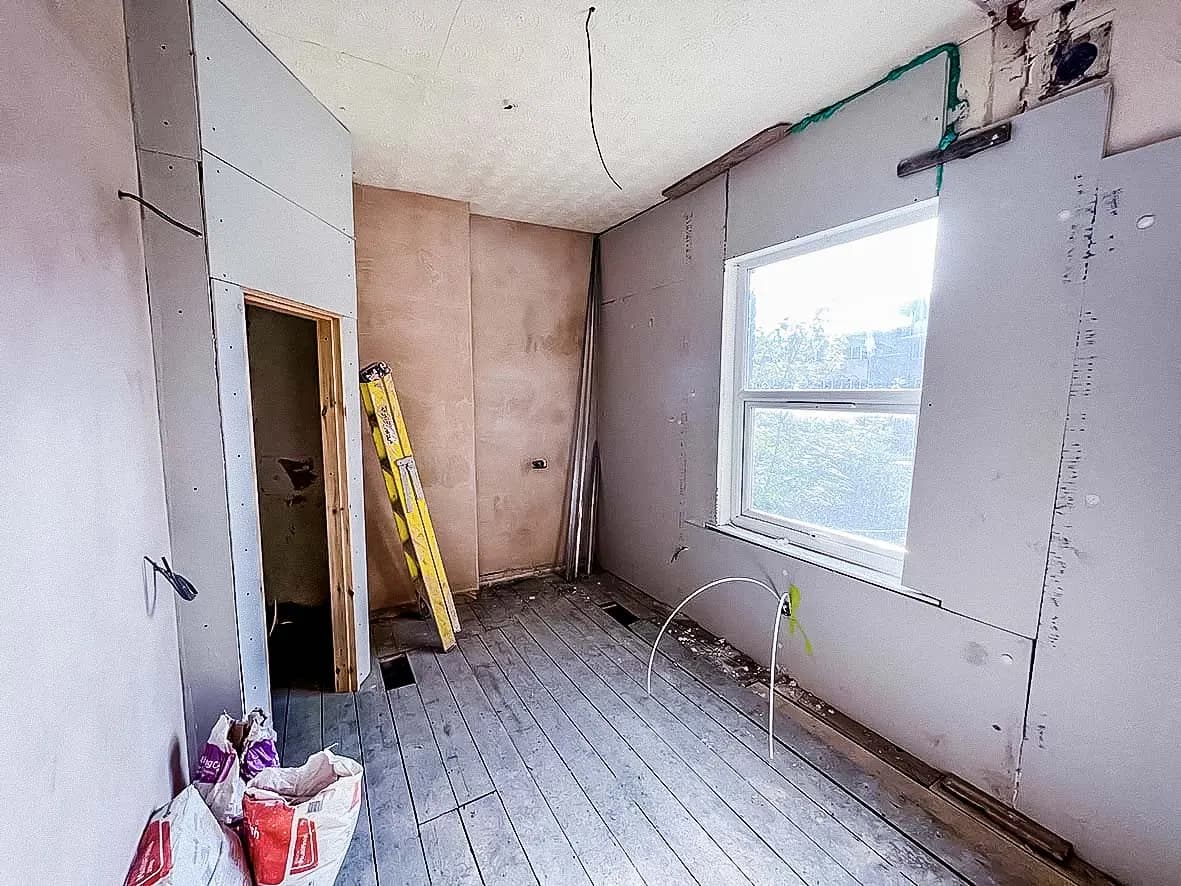
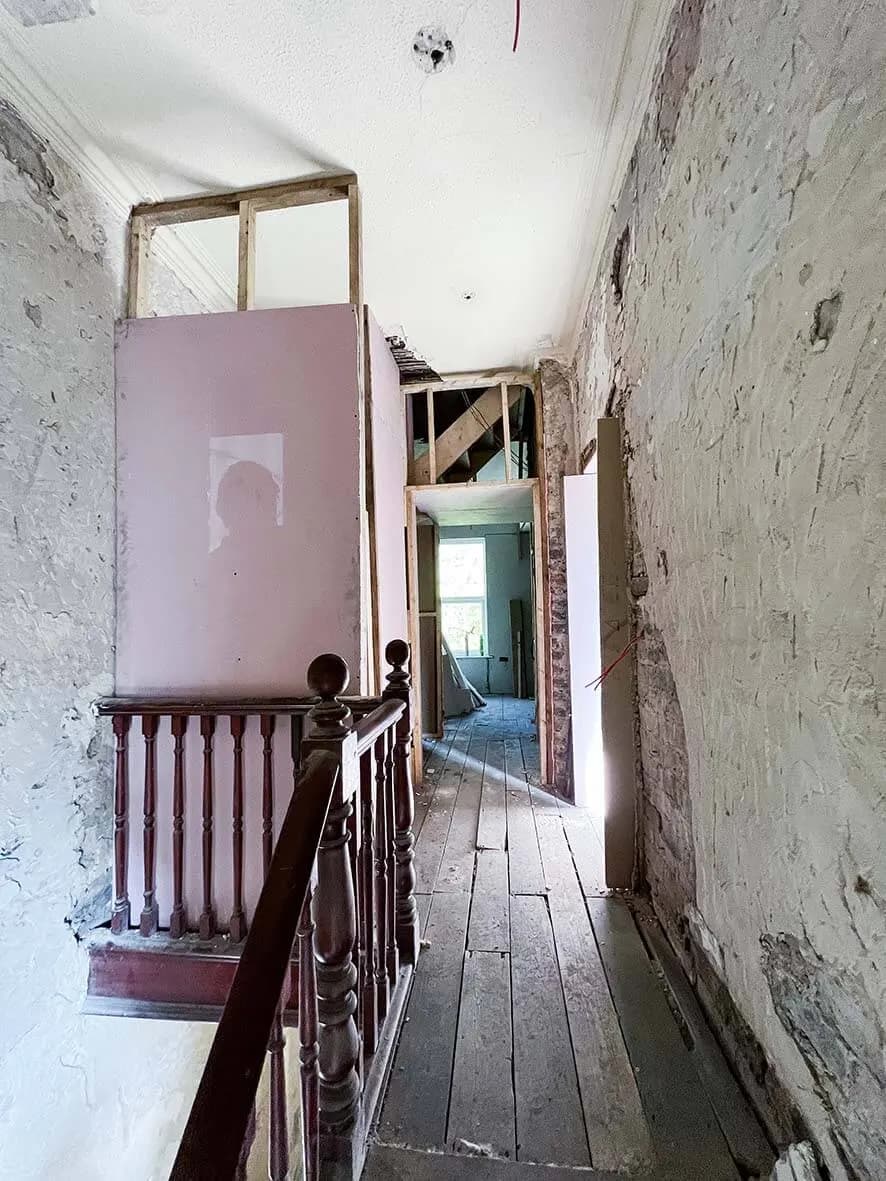
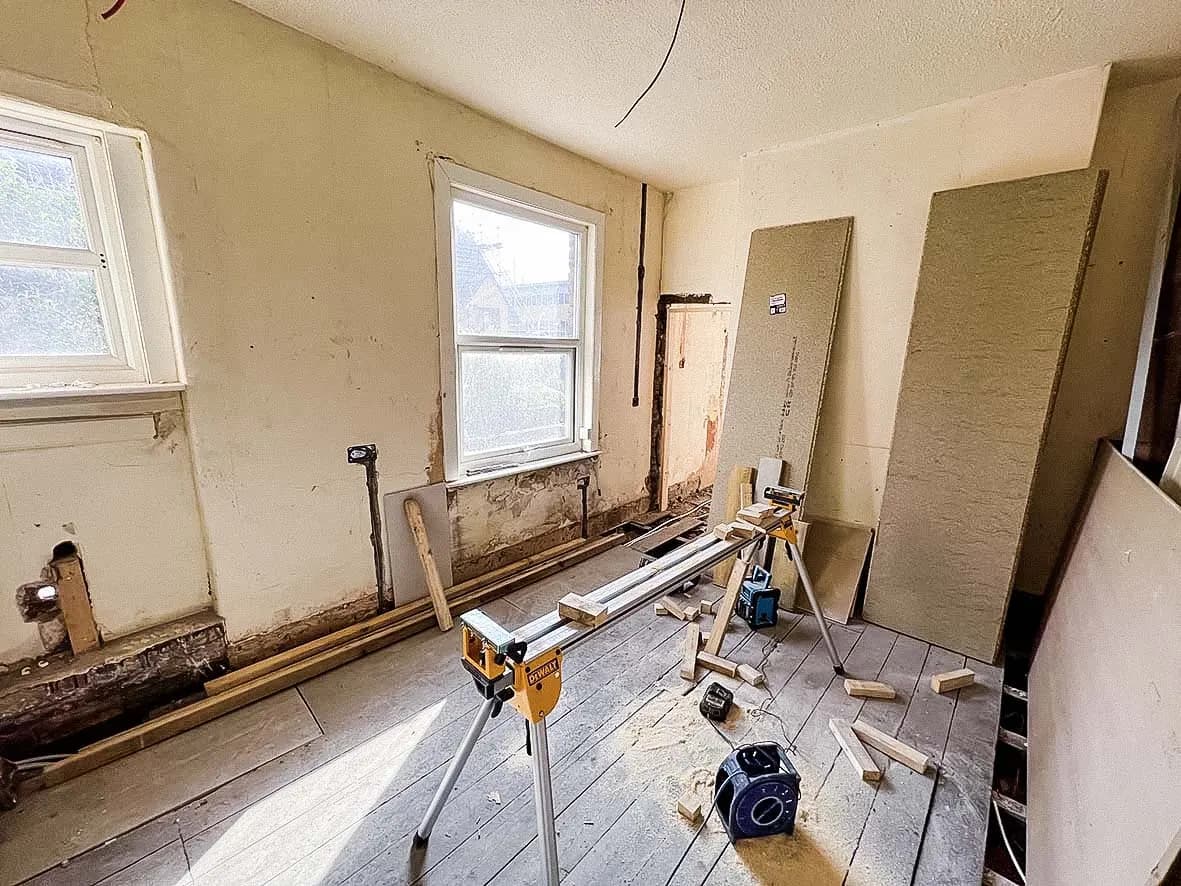
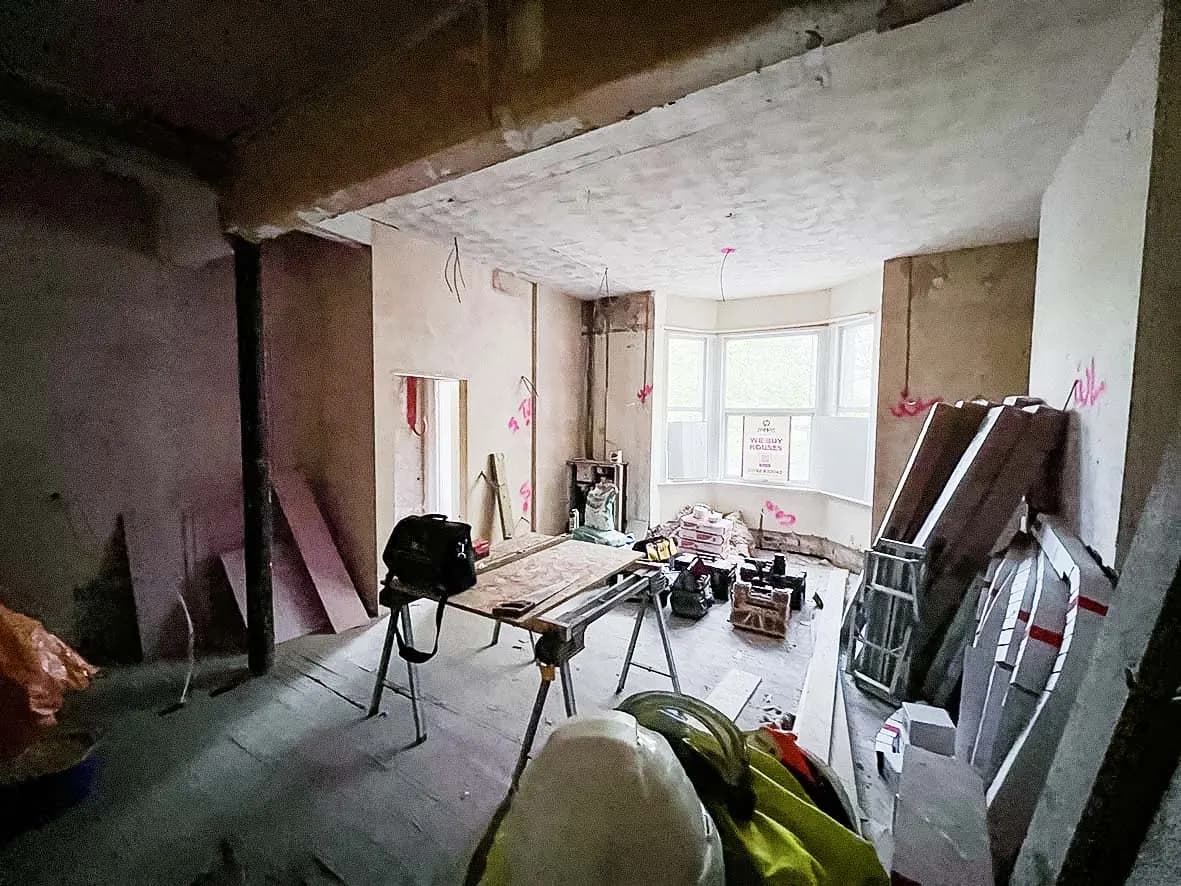
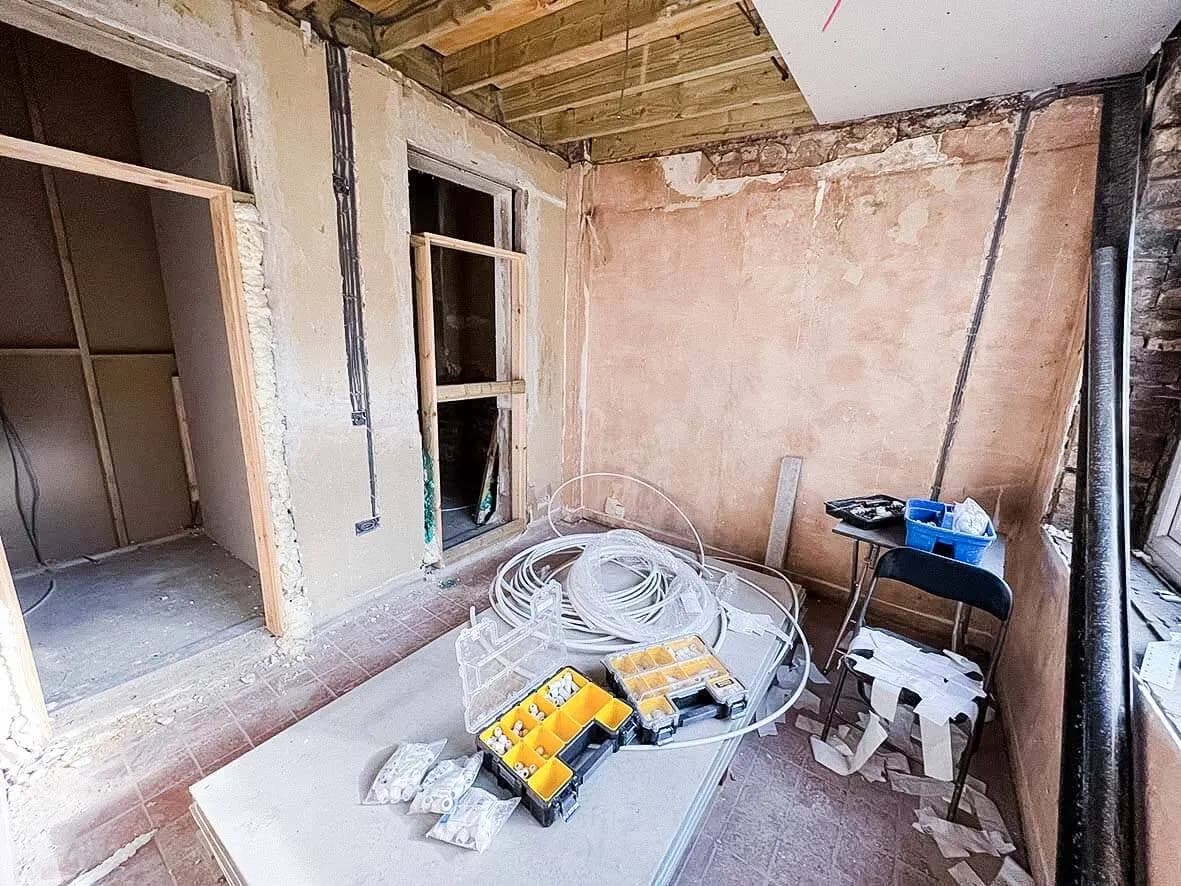
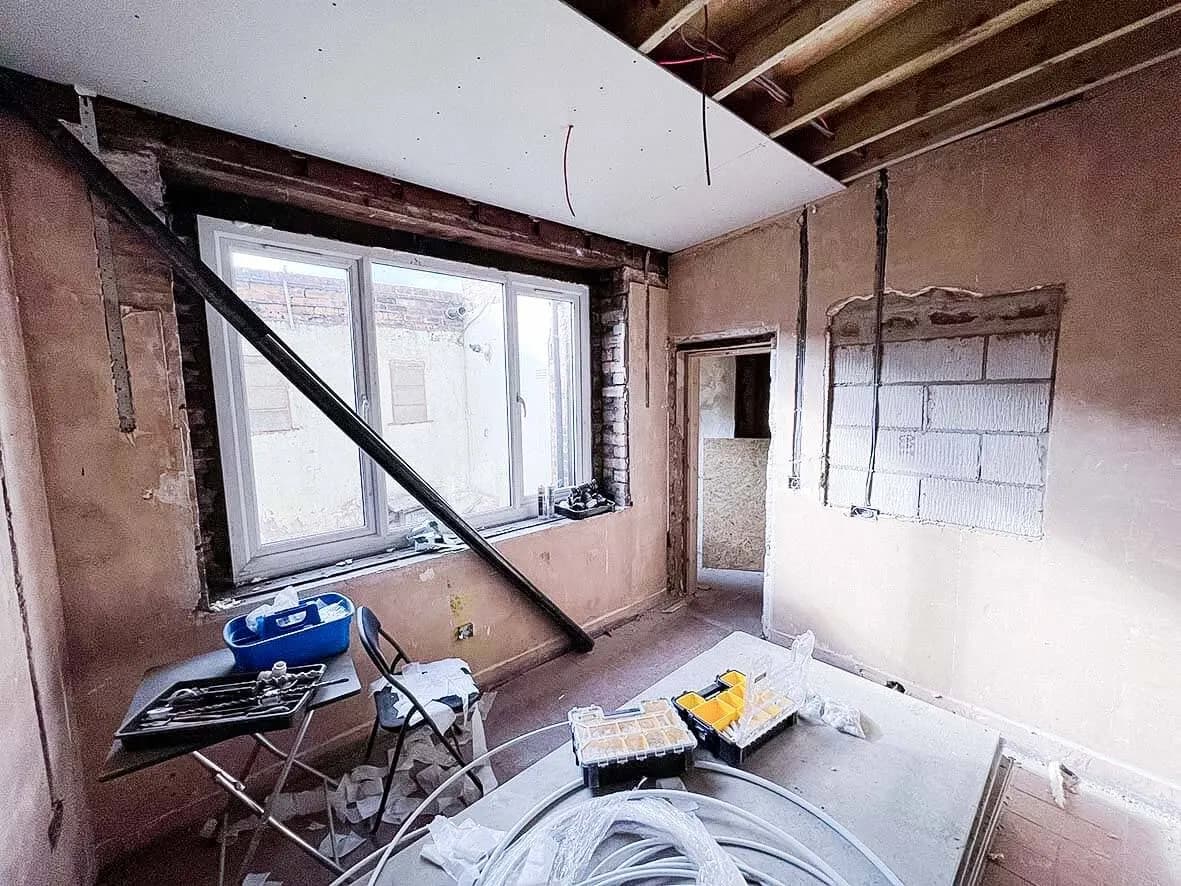
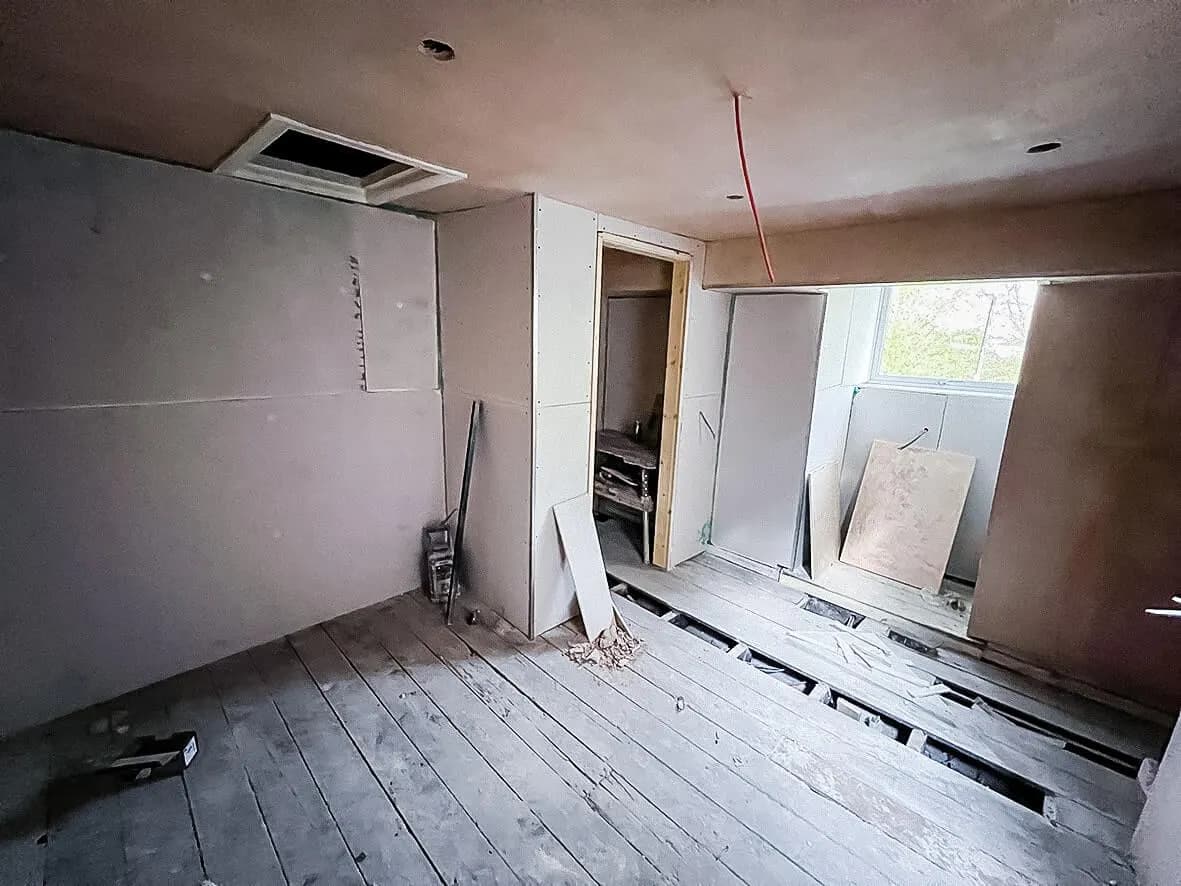
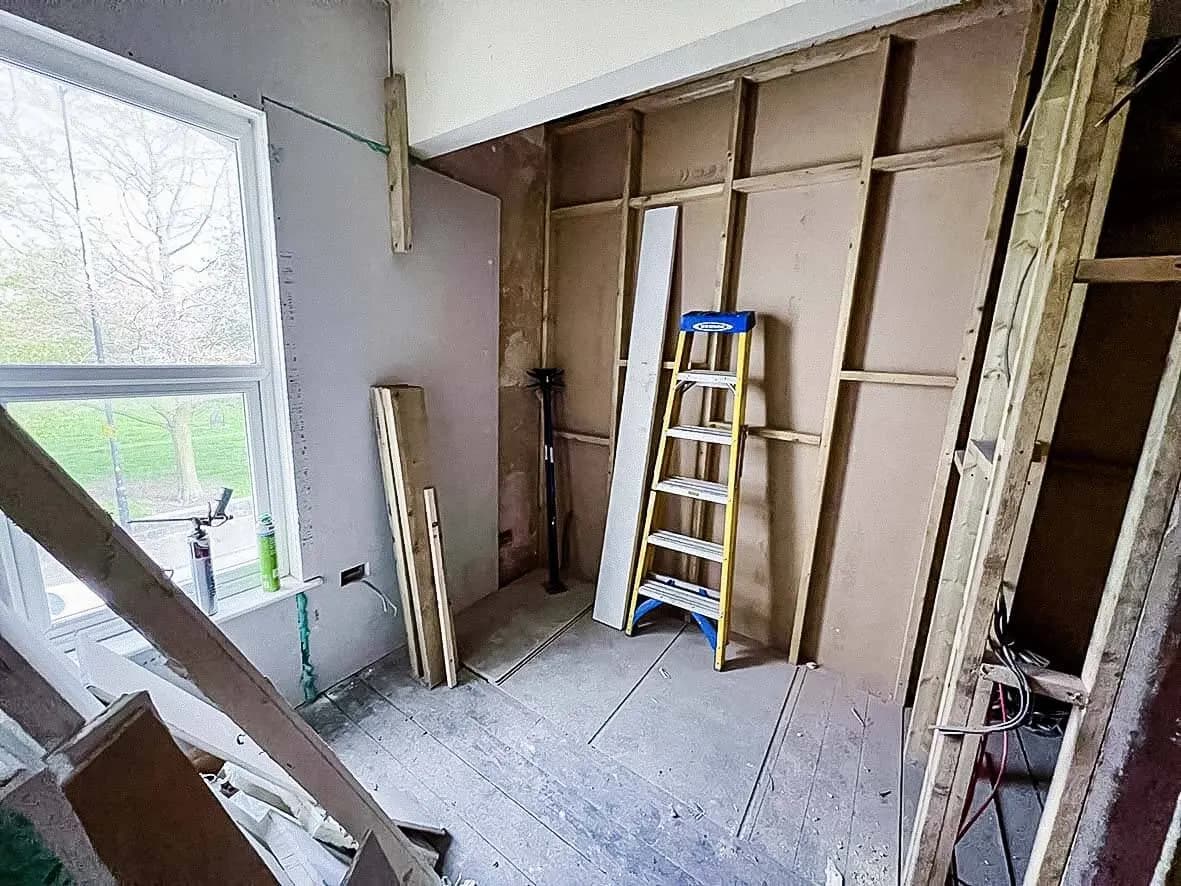
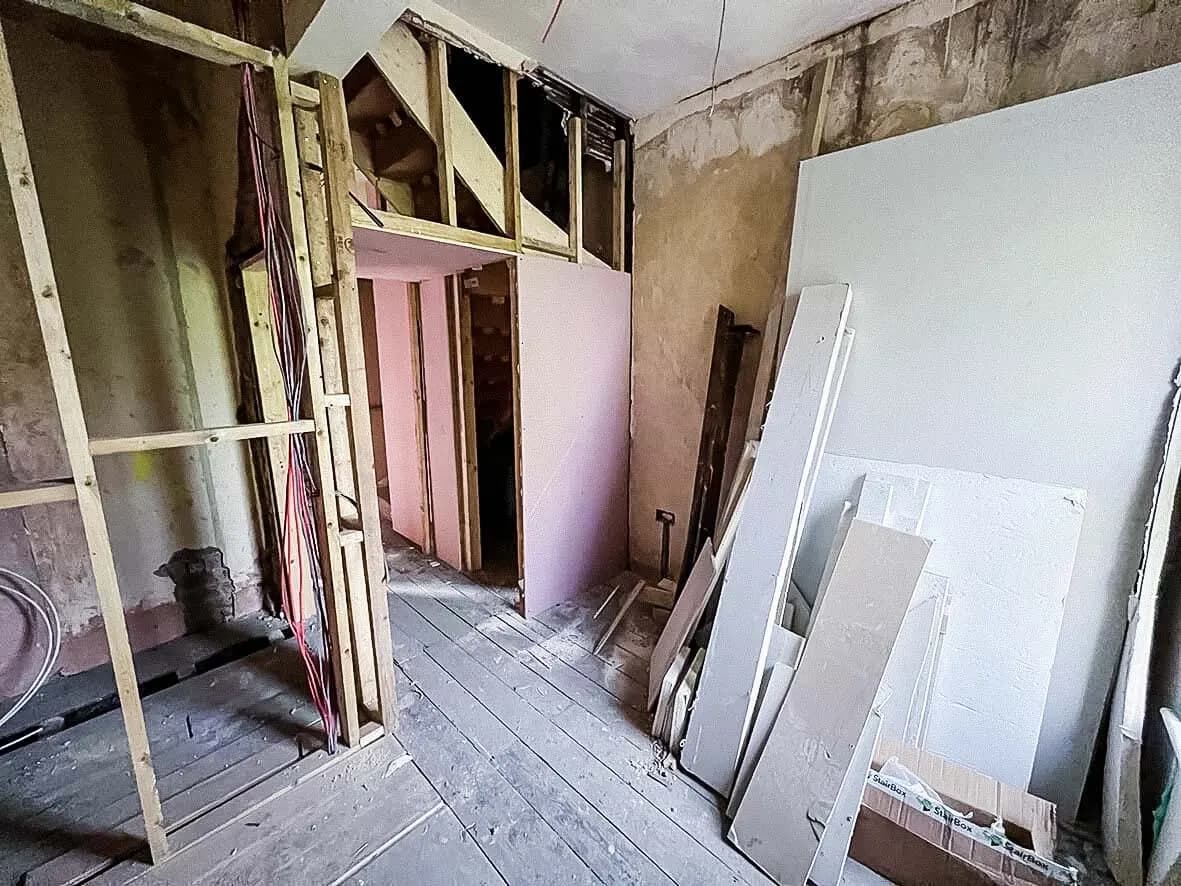
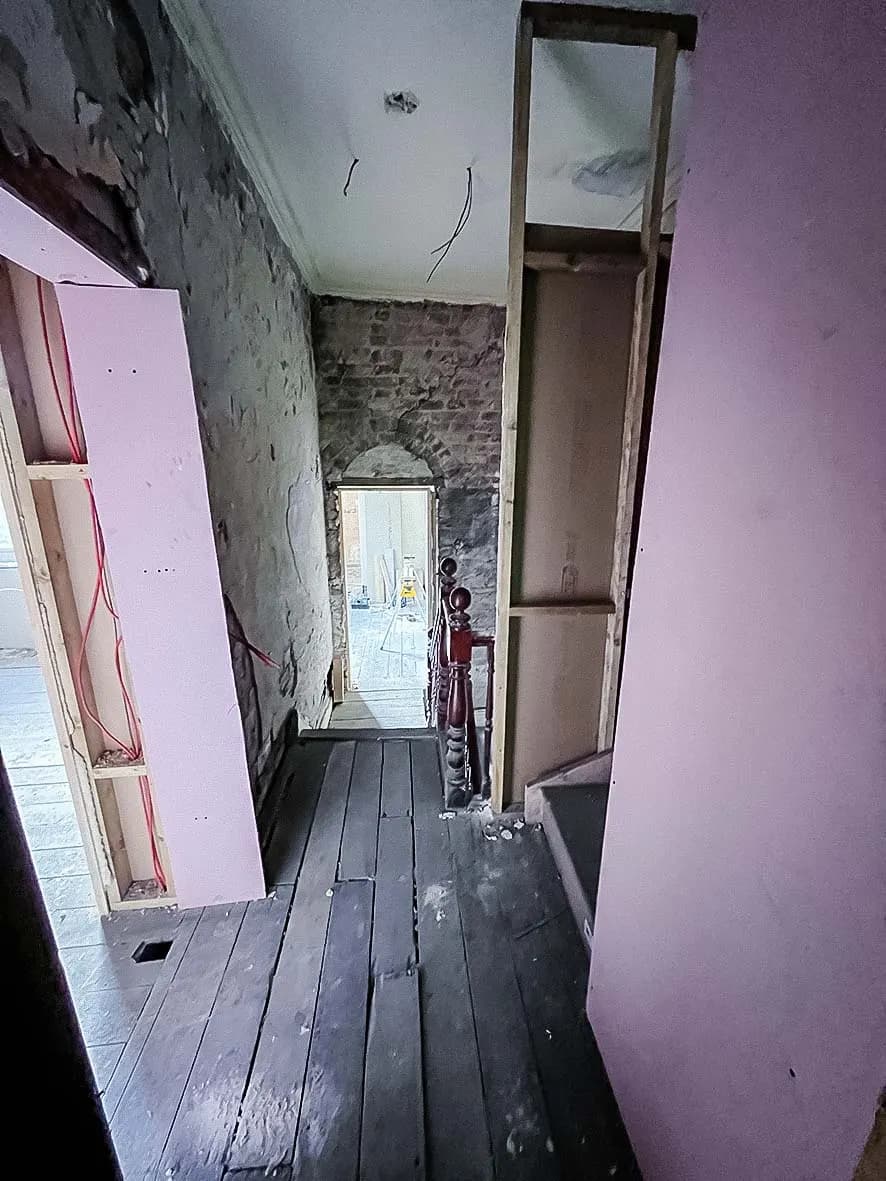
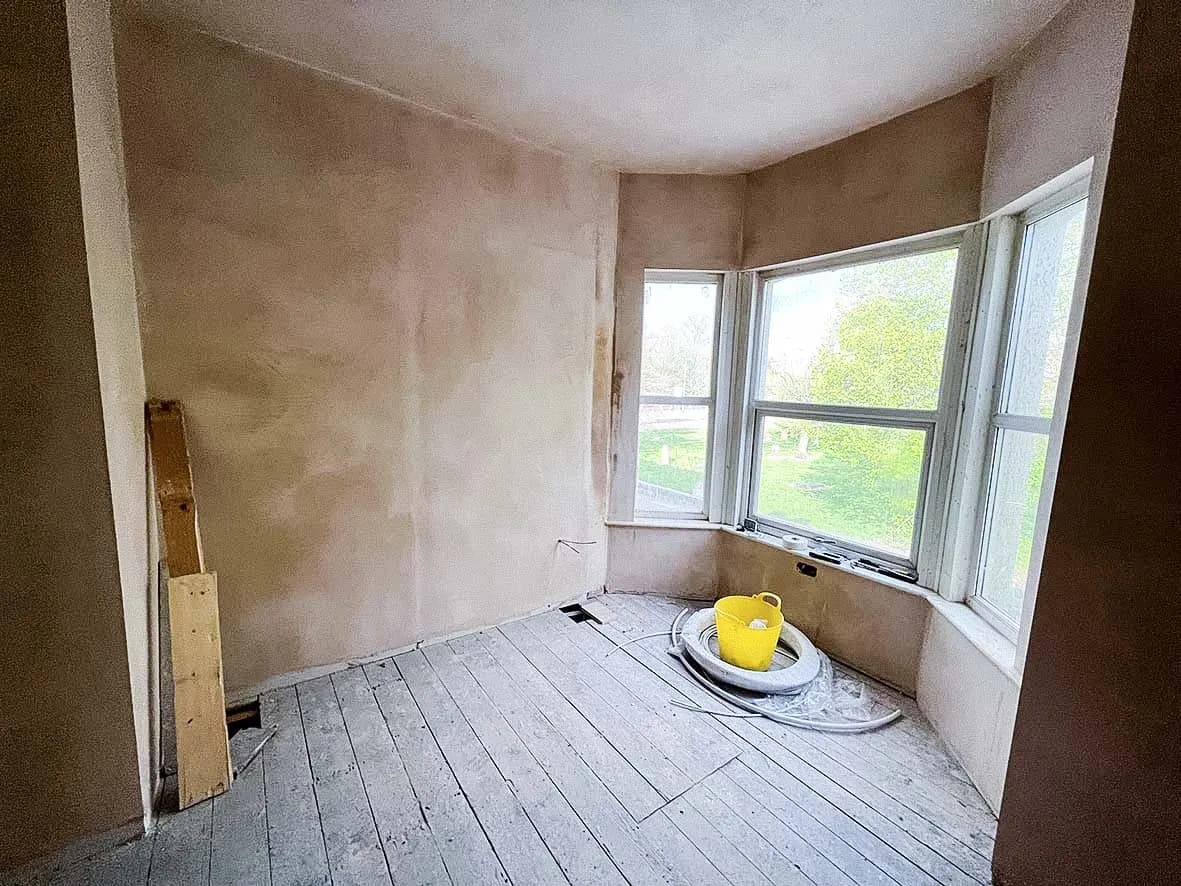
**5. Calculate the refurb cost.** Every house is different, and what's under the surface only reveals itself once you go back-to-bricks. Always carry a contingency.
**6. Get a post-refurb valuation.** Sold prices on Zoopla / RightMove for comparable HMOs in the same area. Or have a conversation with a local agent about the post-refurb valuation they'd give.
**7. Stack it on a spreadsheet.** Purchase price, mortgage, legal costs, broker fees, stamp duty, license fees, refurb cost, furniture. Refinance assumptions: future valuation × loan-to-value the lender will offer. Expected ROI: gross rent − mortgage − bills − maintenance − voids.
No single one of these steps is hard. Doing all seven, every deal, every time, in the right order, that's what separates investors who consistently make money from investors who learn the hard way.