
Skip to content
01Guide · Ultimate Survey
01 / 04
Guides · Surveys

The ultimate building survey.

Homebuyer Report or Building Survey? A row-by-row comparison of what each one covers, what neither is obliged to look at, and why we end up in the cellar with a torch before somebody exchanges.

↳ 02 The guide
02Article · The Long Read
02 / 04

The brief

Last reviewed · 20 August 2026

RICS Building Surveys and HomeBuyer Reports both have their place. But when an investor is buying a renovation project or an HMO conversion: they often want something different. They want the builder's eye on the property before they exchange. That is what HYPE's Ultimate Building Survey delivers.

Builder's eyeNot a RICS report
On-siteWalked in person
BuildableConversion route assessed
CostedIndicative build budget
CHAPTER01

What makes the Ultimate Building Survey?

A Homebuyer Report and a Building Survey are both done by a surveyor, to a defined scope, on a set date. They are useful and we recommend having one.

What neither is obliged to do is lift anything, open anything up, or crawl into somewhere unpleasant. Both are visual inspections in which secured panels, electrical fittings and inspection chamber covers are explicitly not removed.

So a builder walking the same property is doing a different job. Not a better one, a different one, and the two together are what we mean by the Ultimate Building Survey.
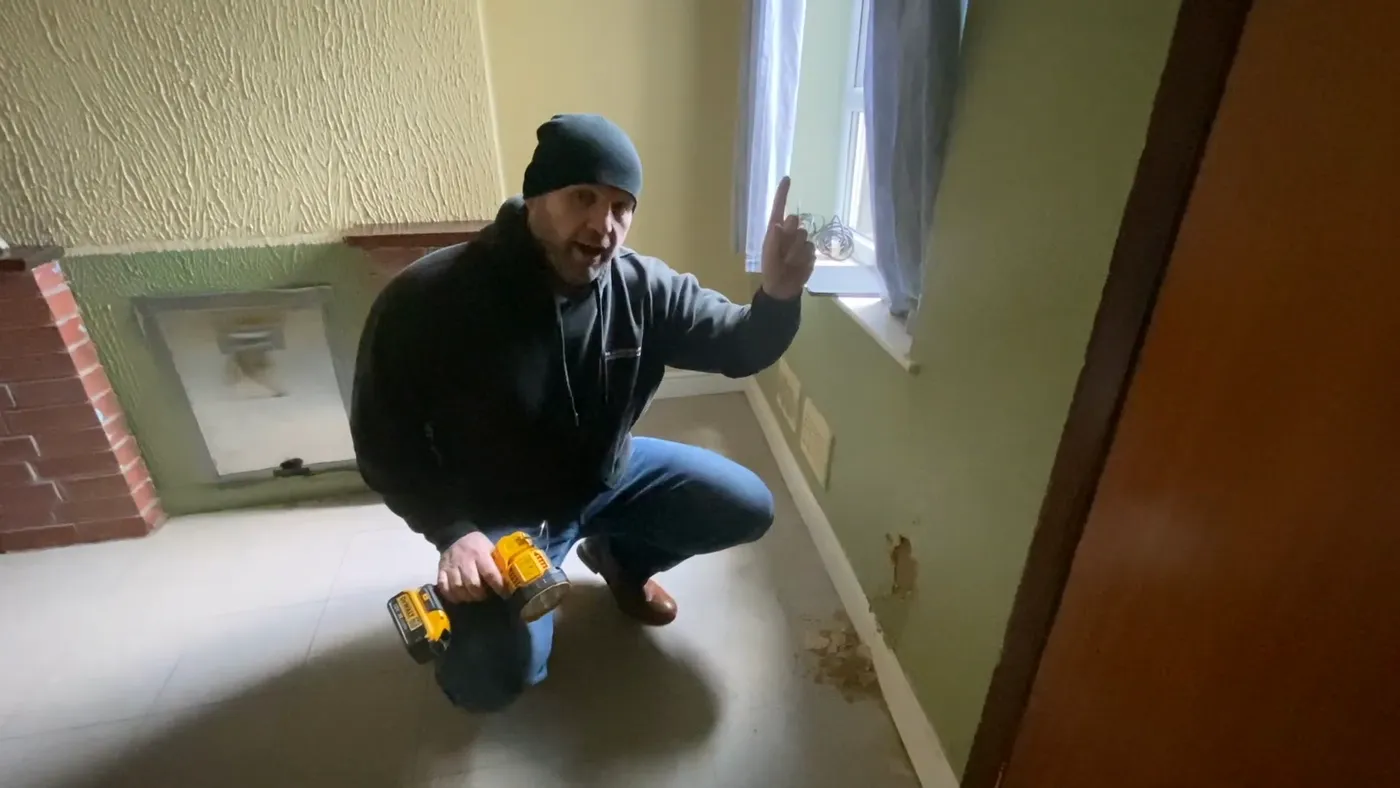
John kneeling at the base of a wall taking a reading with a hand-held damp meter.
A damp meter against the skirting. Two minutes, and it changes what a house is worth.
CHAPTER02

What does a Homebuyer Report involve?

The Homebuyer Report is the middle option. It describes the construction and condition of the property on the day it was inspected, flags problems that need urgent attention, and tells you what needs investigating further.

It also does two things a Building Survey does not: it gives you a reinstatement cost for insurance, and it gives you a market valuation.

What it does not do is explain how the property is built or what happens next. It tells you there is a problem. It does not tell you what fixing it involves.

CHAPTER03

What does a Building Survey involve?

The more detailed Building Survey tells you more about how the property is built and the materials used.

It guides you on repairs that are needed and how long they will take, and warns you of the consequences of not acting.

But here is the big one: it should identify potential problems posed by hidden defects. In other words, the problems that are not clearly visible.

That word 'should' is carrying weight. It is still a visual inspection, and hidden means hidden.

CHAPTER04

Homebuyer Report vs Building Survey

Row by row, what each one actually commits to.

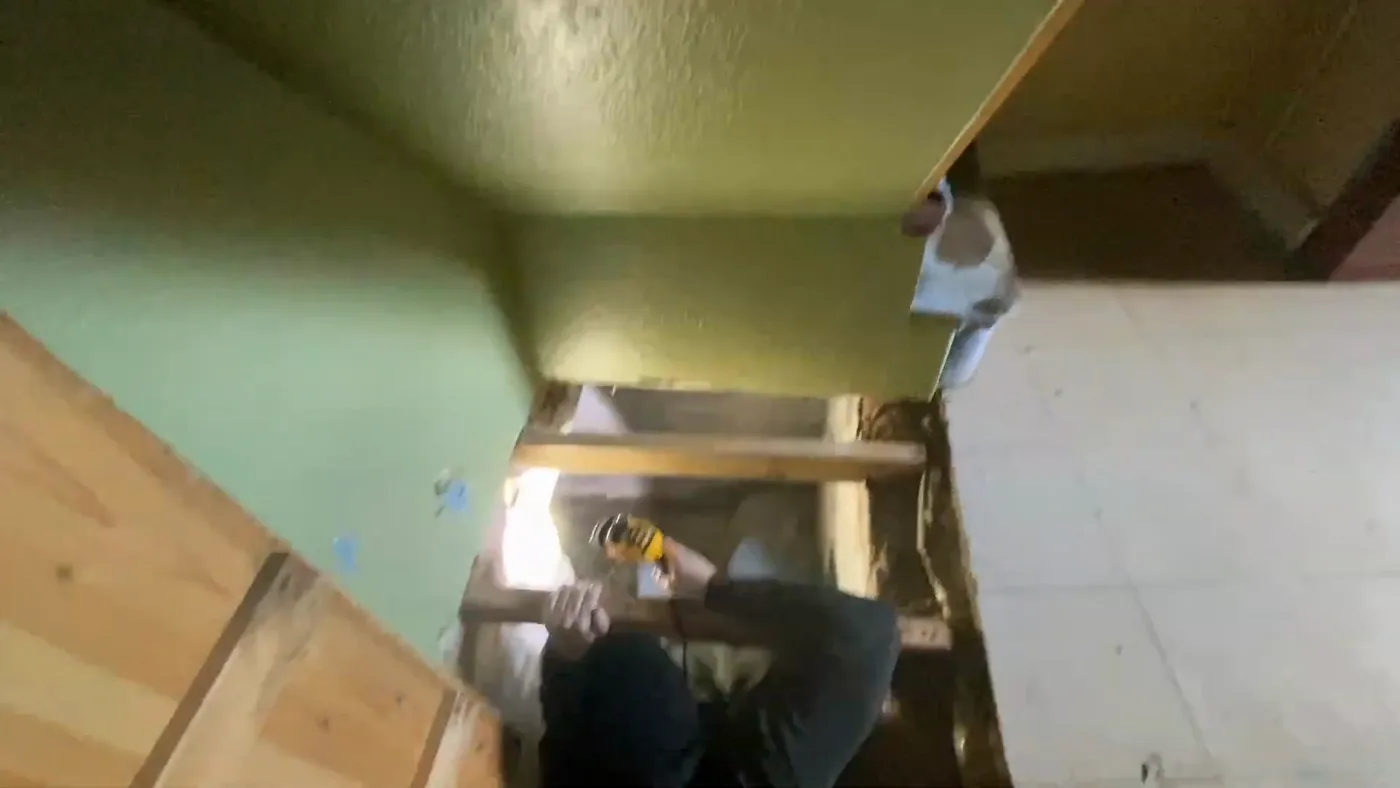
Looking down through an opened hatch into a dark cellar, with John climbing in.
The hatch. Note which column of the table obliges anyone to go down there.
Service featureHomebuyer ReportBuilding Survey
Describes the construction and condition of the property on the date of the inspectionYesYes
Aims to identify any problems that need urgent attention or are seriousYesYes
Aims to identify things that need to be investigated further to prevent serious damageYesYes
Aims to tell you about problems that may be dangerousYesYes
Aims to show up potential issues and defects before any transaction takes placeYesYes
Includes the standard visual inspection during which secured panels, electrical fittings, inspection chamber covers and other similar features are not removedYesYes
Aims to help you decide whether you need extra advice before committing to purchaseYesYes
Aims to enable you to budget for any repairs or restorationYesYes
Aims to advise you on the amount of ongoing maintenance required in the futureYesYes
An enhanced service that includes all the features of the standard inspection plus a more extensive roof space and underground drainage inspectionYesYes
Provides a reinstatement cost to help you avoid under- or over-insuranceYesNo
Provides market valuationYesNo
Aims to establish how the property is built, what materials are used and how these will perform in the futureNoYes
Aims to describe the visible defects, plus exposing potential problems posed by hidden defectsNoYes
Aims to outline the repair options and give you a repair timeline, whilst explaining the consequences of not actingNoYes
A longer and more detailed visual inspection of a wider range of issues including a more thorough consideration of the roof space, grounds, floors and servicesNoYes
CHAPTER05

Key moments from the video

1:05 · As part of the comprehensive Building Survey, John carried out a damp survey and discovered extensive damp issues.

1:49 · Part of the Building Survey involved checking the cellar, which proved quite difficult to access given John's size.

2:12 · In the cellar, there was more water damage. This time from a leak. But what could be causing it?

2:29 · The property owner had even gone to the trouble of channelling the water away from the wall using an imaginative device.

3:06 · Older terraced houses sometimes have a lead water pipe beneath the floor. Could a damaged pipe be the cause of the leak?

3:54 · The leak was causing the floor joists to rot. Had John not spotted the water damage, the buyers would have inherited a major problem.

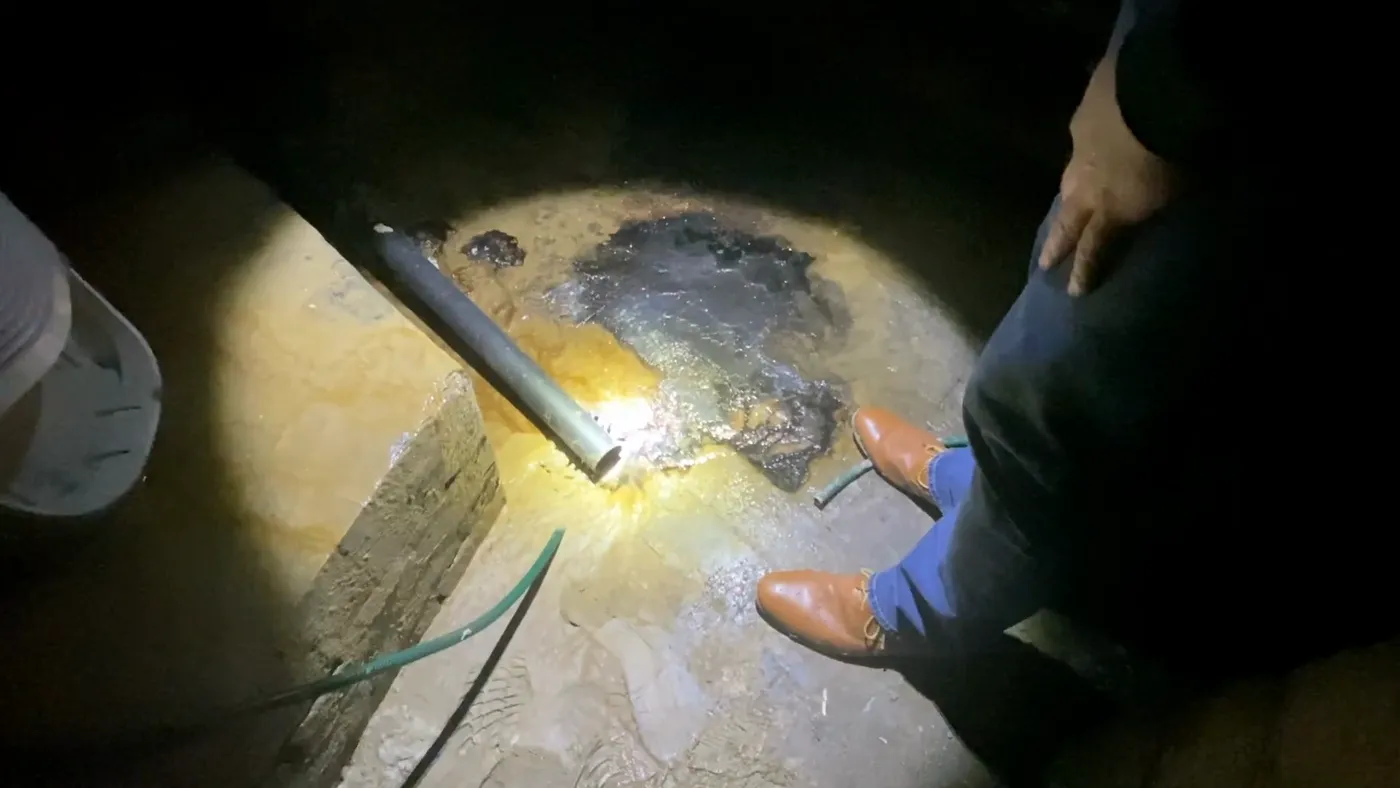
A wet cellar floor lit by torchlight, with a pipe running across it and standing water pooling.
Standing water in the cellar, and a pipe running through it. This is where the survey stopped being theoretical.
CHAPTER06

What should you look for when viewing a property?

There are certain things you should be looking out for when you view a property with the intention of purchase.

Being prepared before you go can ensure you don't miss any important details or forget to check certain aspects.

Unless the house is a new build, it's likely to be imperfect. Spotting those imperfections and working out their extent is what tells you whether to put in an offer, and at what.

Here is our property viewing checklist. It is not exhaustive, but it will give you a good idea.

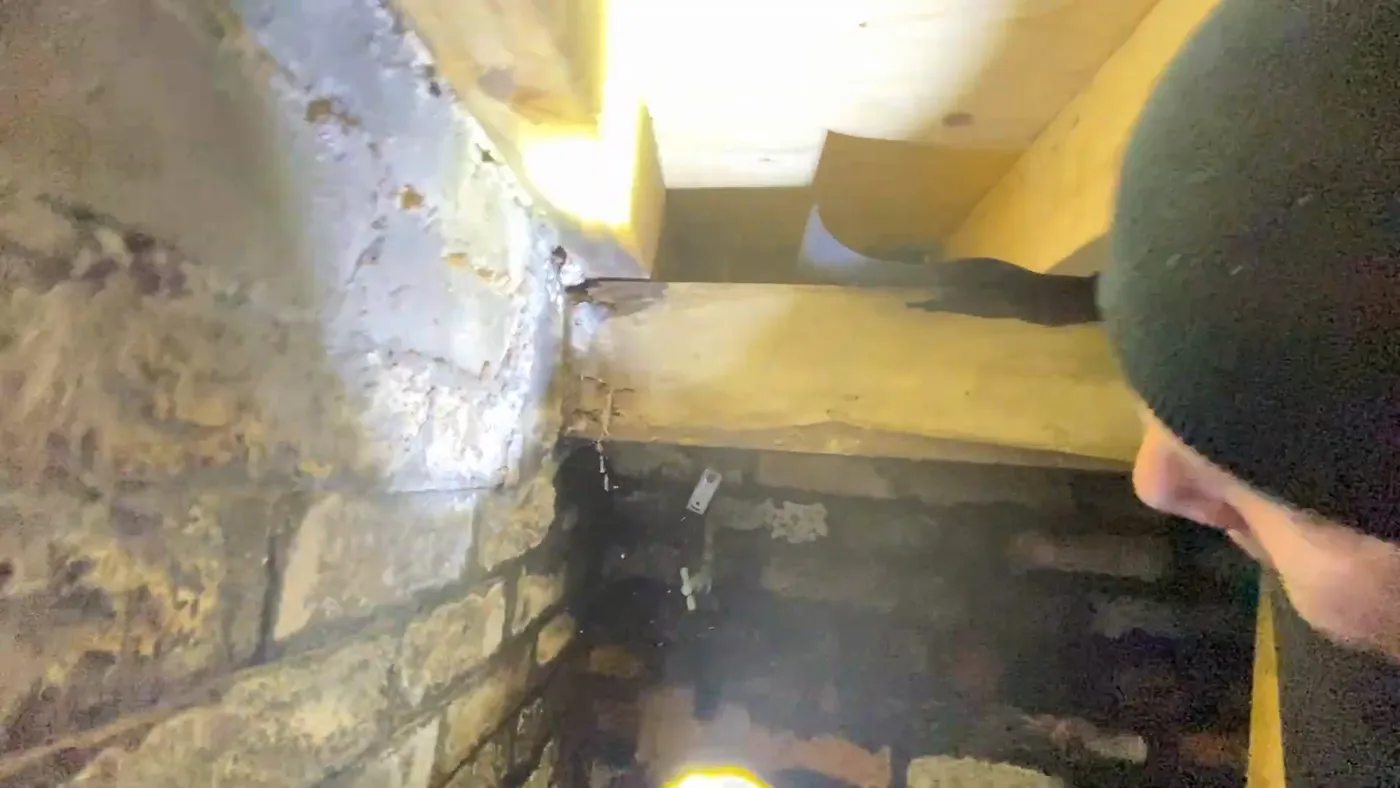
Torchlight on floor joists in a cellar, showing water damage and rot where a leak has been running.
The joists the leak had been working on. Found from underneath, not from the room above.

Brickwork

  • Are there any cracks in the brickwork? Does it need repointing?
  • Are any of the bricks missing?
  • Are any of the bricks discoloured or have any damp patches?
  • Is the brickwork spalling, sometimes referred to as blown?

Roof and chimney

  • Are there any roof tiles missing, or have any cracked or slipped?
  • Has any of the lead flashing come loose?
  • Are the fascias and soffits in good condition? Is the guttering OK?
  • What is the chimney like? Is it capped? Is the flaunching cracking?

Garden

  • Is the property overlooked by neighbours?
  • Do you have enough space?
  • Is any maintenance needed?
  • Is the garden south-facing, to get the most sunlight?

Windows and doors

  • Do they open and close easily?
  • If they have locks, do the keys work?
  • Is there condensation in any of the windows?
  • Have any of the seals failed?

Plumbing

  • Does the boiler work properly? How old is it and is it serviced regularly?
  • Are there enough radiators and are they in good condition?
  • Do the taps work?
  • Are the bath and shower facilities adequate?
  • Are there any visible leaks?

Electrics

  • Is there a burglar alarm? Are smoke and fire alarms fitted throughout?
  • Are there enough sockets in each room, and where are they located?
  • Do the lights work?
  • Are there any extractor fans?
  • Is any of the wiring faulty or exposed?

Utilities

  • Is there adequate broadband?
  • What is the mobile phone coverage like?
  • Which providers actually serve the address?

Locality

  • Is there a local school if you need one?
  • How close is the nearest shop?
  • Do you have access to public transport?
CHAPTER07

Conclusion

Get a Homebuyer Report or a Building Survey. Which one depends on the property: older, altered or unusual buildings justify the Building Survey, and if you want a valuation and a reinstatement figure you want the Homebuyer.

Then take a builder as well, because the two jobs are not the same job. A surveyor is reporting on condition to a defined scope. A builder is working out what it would cost to put right and whether it is worth buying at the price.

That is the whole argument, and the film is four minutes of it happening.

Buying a building to refurbish or convert?

We walk it with a builder's eye.

Before you exchange, so you know what the building needs and what the work is likely to involve. It is a builder's view, not a RICS survey.

↳ 03 On camera
03Guide · On Camera
03 / 04

On camera

Watch it on a real job.

John surveys a property before exchange, including the cellar and the void under the floor. Every photograph on this page is a frame from this film.

↳ 04 Start your build
12Tell me about your build · Resonance
12 / 12

For the right build only

Build it right.
Build it HYPE.

We take on substantial building work across Stoke-on-Trent and the Midlands: extensions, conversions, full refurbishments, commercial works and repairs after fire, flood or damage. Properly scoped projects, not odd jobs or reactive maintenance.

We're VAT registered, so on smaller jobs a non-VAT builder will always undercut us. That's just the maths. Our work pays off where doing it properly matters more than the cheapest quote.

If that sounds like your project, tell us what you've got. We'll tell you straight whether we're right for it, and if we're not, we'll say so. Either way, we wish you all the best x.

↳ Speak to the team+44 1782 930 043Mon–Fri · 9am–5pm · Sat–Sun · Closed
End of drawing set