
Damp Proofing Rods

Damp proofing rods are a simple and inexpensive way of doing a damp proof course (DPC). And, in a nutshell, that’s why we prefer them to other damp proofing methods such as chemical injection.

In the video, John explains how damp rods (sometimes called damp sticks) work. And why they are so effective in preventing rising damp.

He also shows you how where you need to install them to insure they properly take effect.

Other brands are available, but at HYPE Building, we use Dryrod damp proofing rods.

Firstly, because they are easy to install. Secondly, because they deliver exactly the right amount of water repellent material – known as silane concentrate. Hence, there’s no waste, like you can sometimes get with the injection cream.

This is the process for installing the rods:

Installing the rods

  • Remove the plaster

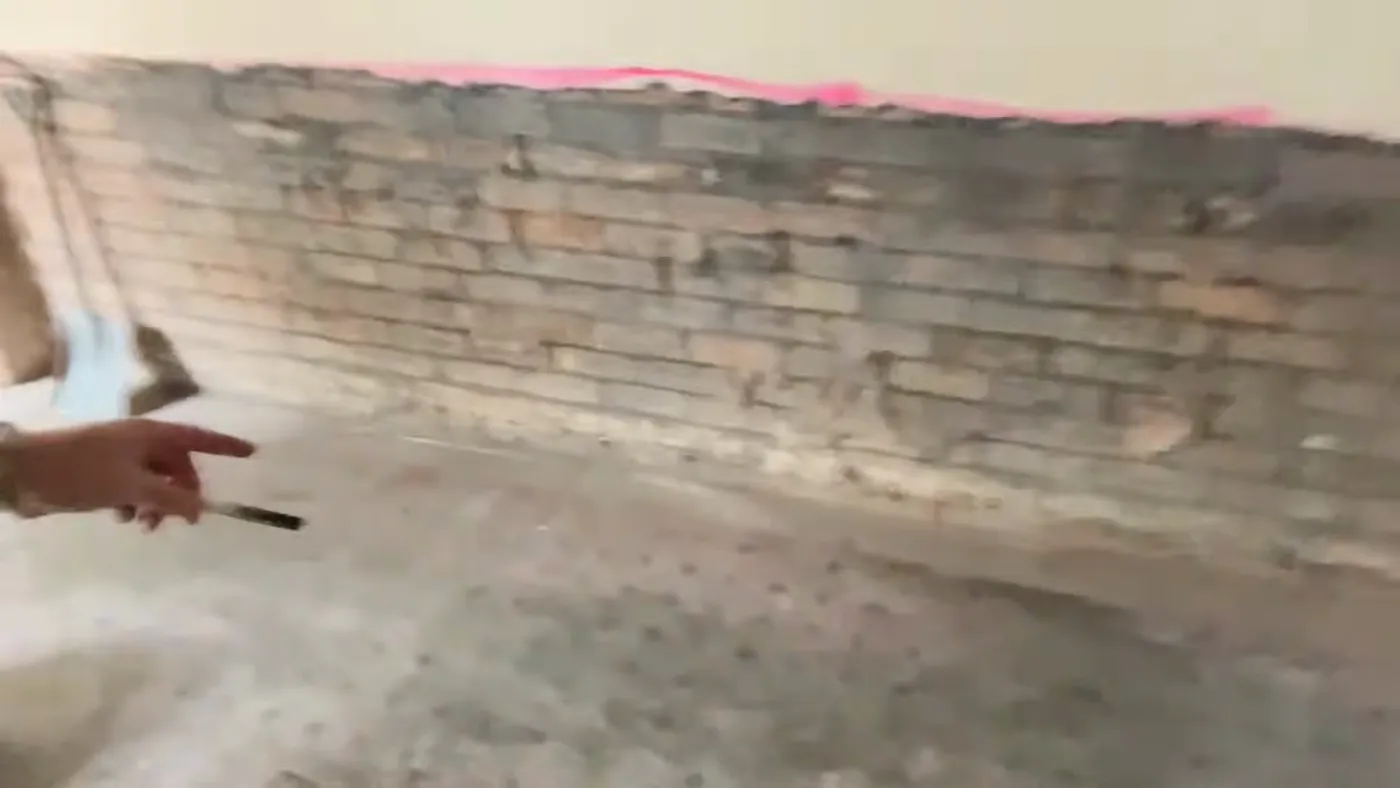
    Plaster is removed from the bottom of the walls up to a height of 1.5m. This is because rising damp can reach a height of up to approx 1.2m. Rising damp not only brings moisture but also brings hygroscopic salts, nitrates, and chlorides. By removing 1.5m of plaster, you are effectively eliminating any contaminated plaster.

  • Drill the holes

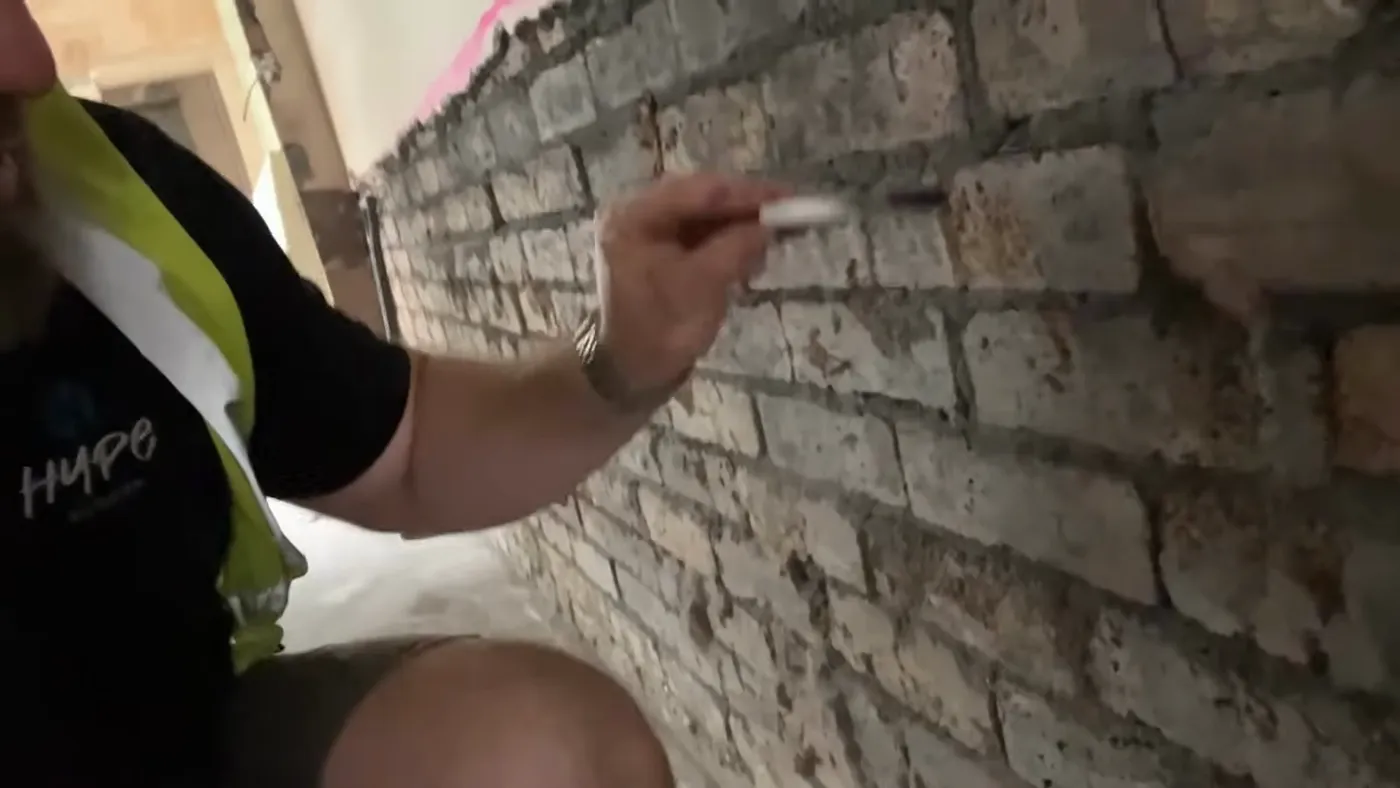
    Holes are drilled into the mortar (usually the first layer of mortar after the first row of bricks from the floor) at the perpend junctions. So approximately every half-brick. The depth of the hole depends on the depth of damp proofing rod you require. We use Dryrods, which come in lengths of 180mm that can be cut to size. For walls thicker than 9”, multiple rods can be combined.

  • Insert the damp rods

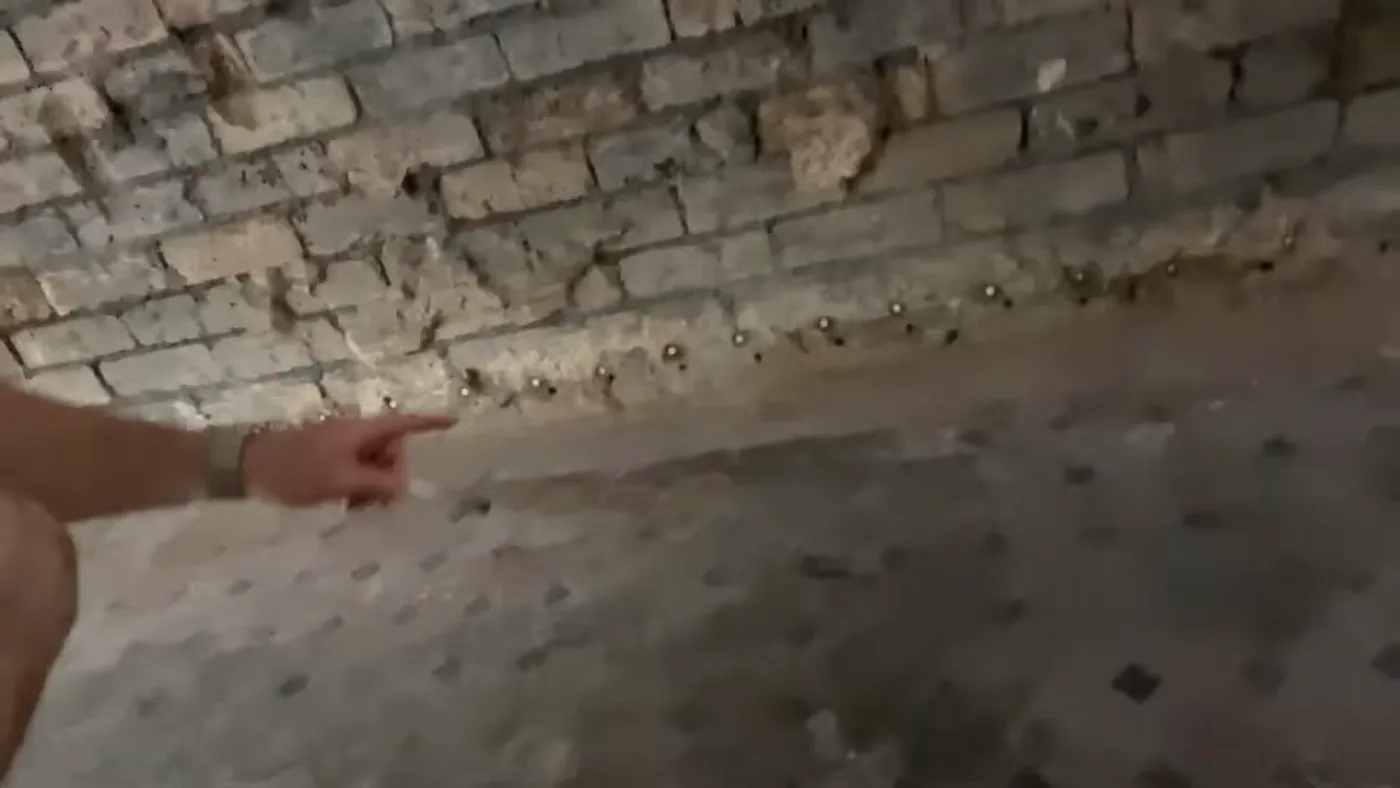
    The damp proofing rods are inserted into the pre-drilled holes and left to cure. Each rod contains exactly the right amount of water repellent material – known as silane concentrate.

  • Wait for the rods to take effect

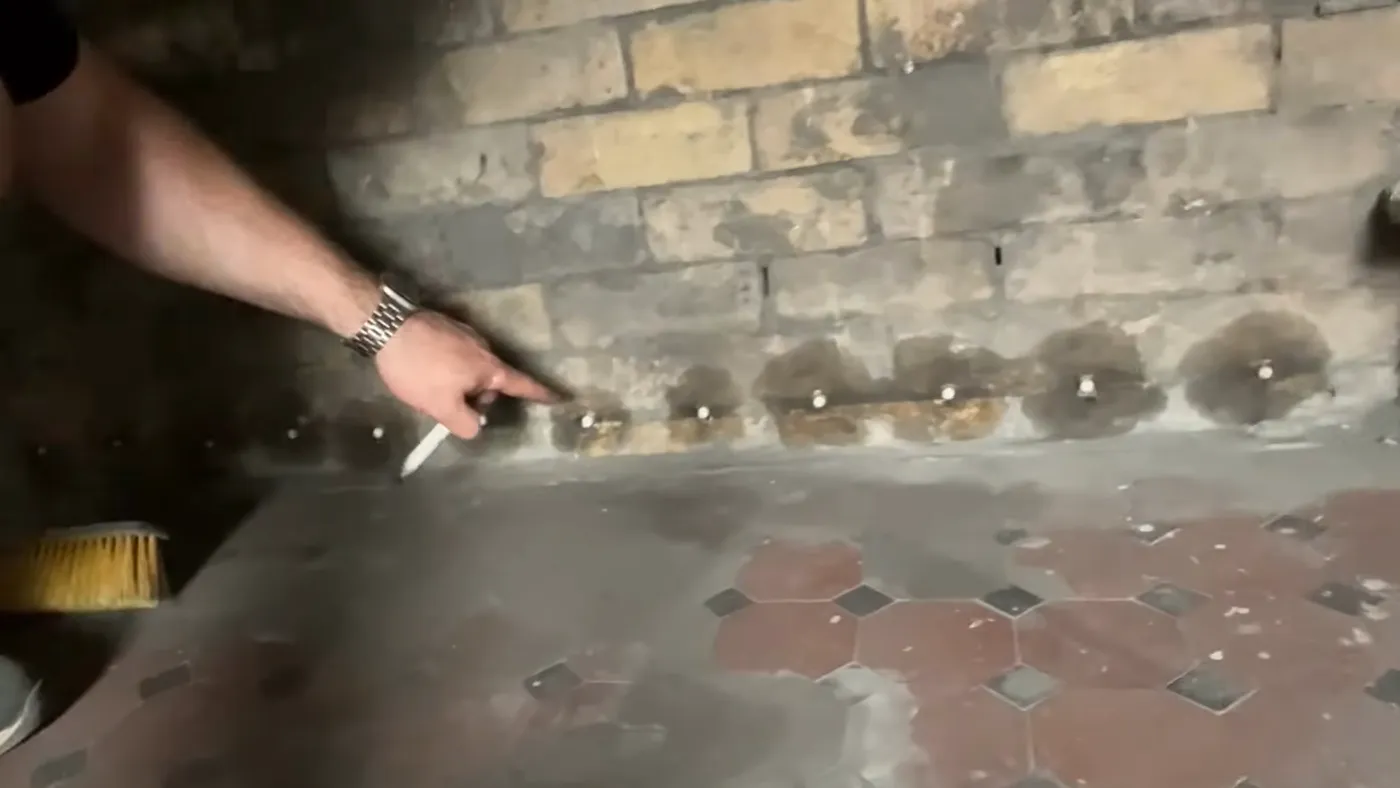
    Once cured, the silane concentrate seeps into the wall to form an extremely effective damp barrier. It will dry out the damp wall and stop rising damp from setting back in. You can actually see this happening. Once the water repellent material from one perpend has seeped sufficiently to reach the next, you know that the barrier has been formed.

Key moments in the video

damp proofing rods

0:09 – The plaster is removed from the bottom of the walls up to a height of 1.5m. Thus, eliminating any contaminated plaster.

damp proofing rods

0:52 – Holes are drilled at the perpend junctions. Usually at the layer of mortar after the first row of bricks from the floor.

damp proofing rods

1:09 – The damp proofing rods are inserted into the pre-drilled holes. Each rod contains exactly the right amount of chemicals.

damp proofing rods

1:36 – Once cured, the chemical water repellent (silane concentrate) seeps into the wall to form an extremely effective damp barrier.

Damp proof rods or cream?

A question we’re commonly asked is: should I use damp proof rods or cream to do a damp course?

And the answer is that it’s just down to preference. Both methods can work extremely well.

However, we prefer the rods for three main reasons:

  • Speed

    Once the holes have been drilled to the correct length, inserting the damp proofing rods is a speedy process. And there’s no guesswork required on the amount you need.

  • Performance

    Tests show that Dryrod damp proofing rods outperform even premium damp proofing creams at high saturation levels.

  • No waste

    With cream, there is the potential for waste if you drill too far through the mortar. Creating a hole that’s too big could result in cream seeping out the other side. Therefore, we prefer the damp rods as they fit snugly into the pre-drilled hole. Moreover, they can easily be cut to size.

We’re experts in effectively eliminating damp

At HYPE Building, we’re used to solving damp issues in one form or another. Here’s a snapshot of what we do:

For property investors/landlords: A new damp proof course is usually part of a refurbishment. Going back to bricks allows us to ensure any existing damp problems are eradicated. And any future ones are unlikely.

For the people of Stoke-on-Trent: We’ve helped and advised on many damp issues for customers across the Potteries.

Here’s a great bit of feedback from a homeowner we recently helped…

“Very professional. Knew straight away what the issues were and gave me all the information that I needed to get them resolved. Highly recommended.”

John Bell – Homeowner in Mount Pleasant, Stoke-on-Trent

“Very professional. Knew straight away what the issues were and gave me all the information that I needed to get them resolved. Highly recommended.”

John Bell – Homeowner in Mount Pleasant, Stoke-on-Trent

More helpful videos on solving damp problems

You can watch the entire ‘Damp Causes and Fixes’ playlist on our YouTube Channel, HYPE TV. Below are two of the most-watched videos in the series that you may find useful.

Talk to an expert

Got a damp issue at your property in Stoke-on-Trent or nearby? Investing in The Potteries and need a DPC at your investment property? We’re here when you need us.

Click the button below and tell us how we can help.

property investment